Language

Give now


For the first time ever, we're opening 50 villages to sponsors, with a promise of direct reporting.
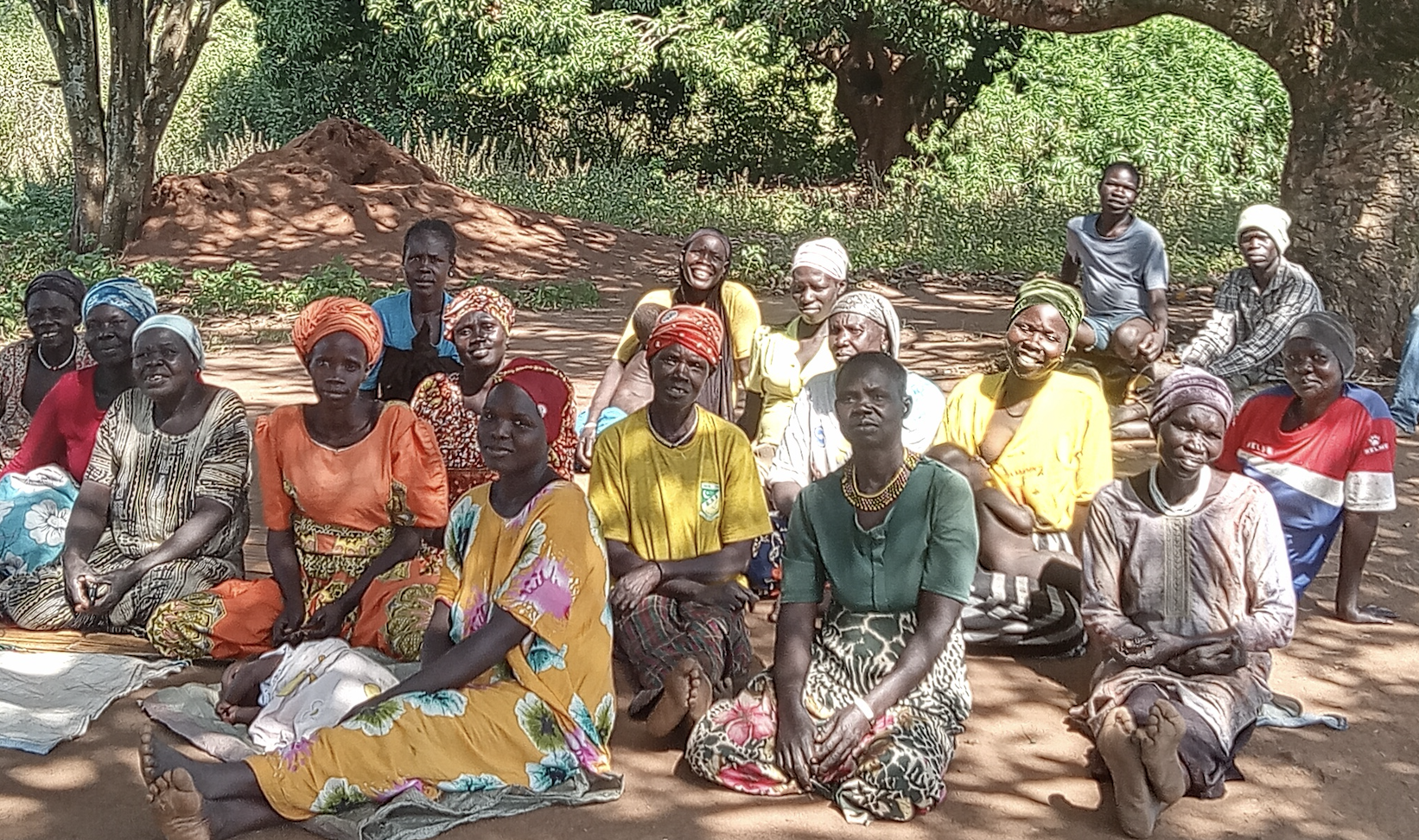
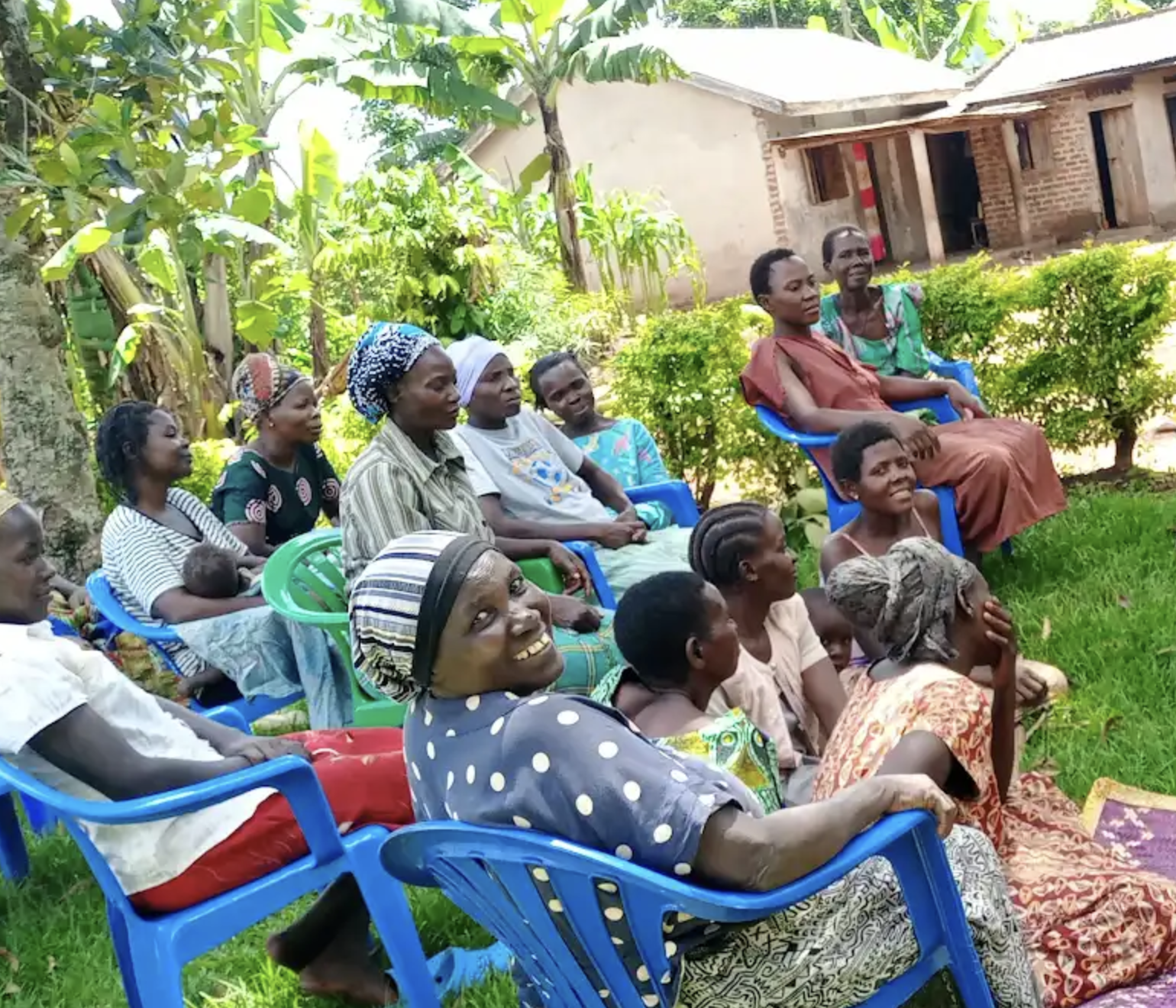
With a one time gift of $17,760 - or a monthly commitment of $1,480, you'll become a lifeline for an entire community of 40+ families.
GIVE NOW -online through the donation form - or send a check to PO Box 291, Princeton, IL 61356, to fund the village with the greatest need.

For the first time ever, we're opening 50 villages to sponsors, with a promise of direct reporting.
With a one time gift of $17,760 - or a monthly commitment of $1,480, you'll become a lifeline for an entire community of 40+ families.
GIVE NOW -online through the donation form - or send a check to PO Box 291, Princeton, IL 61356, to fund the village with the greatest need. We will send you information about your village.


We’ll show you high-need, ready-to-go communities, just waiting for you!
Make one gift or a schedule that fits your plan. Or start to fundraise
Steady reporting with photos, family spotlights, and key metrics will be sent to you.
Bring your friends, small group, or company into the story by sharing the stories from your village.

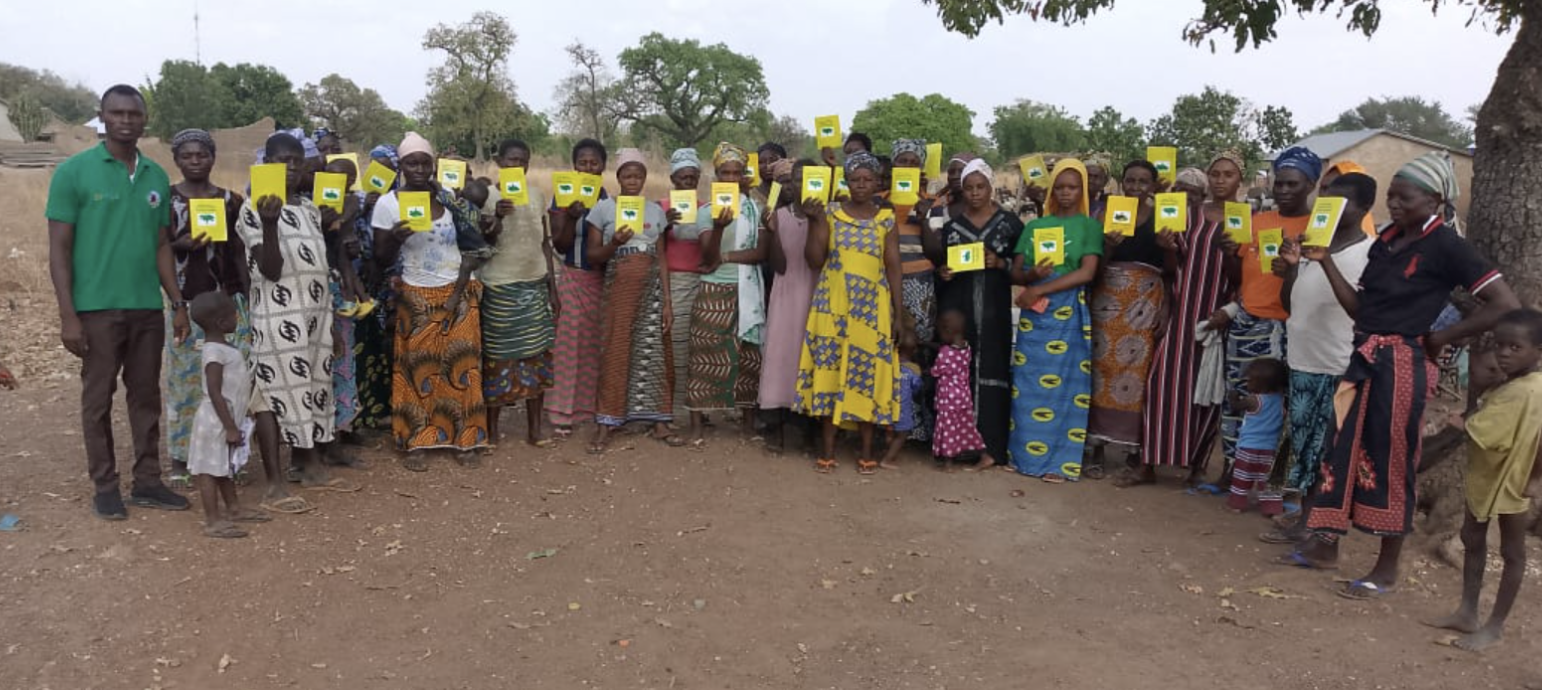
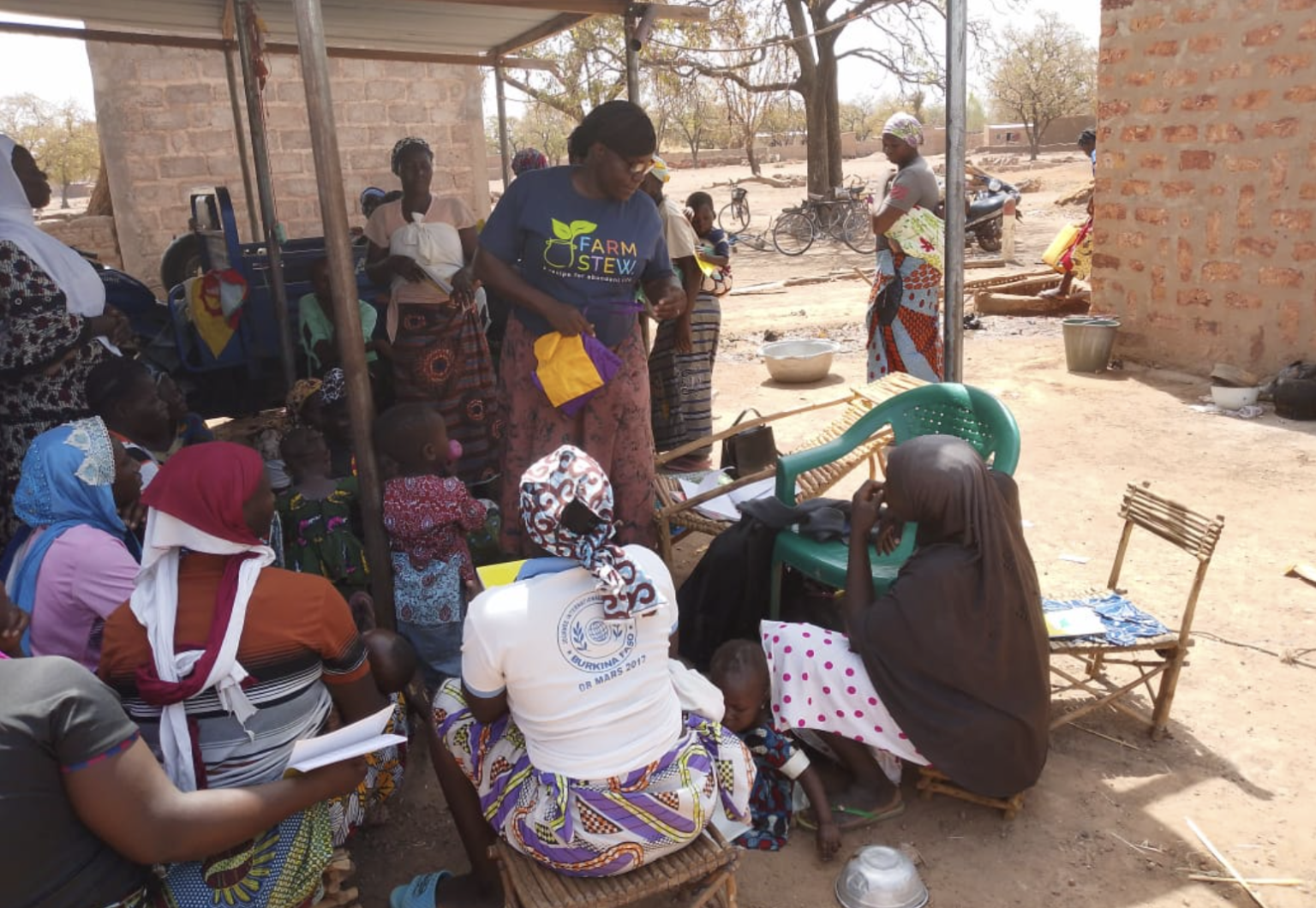
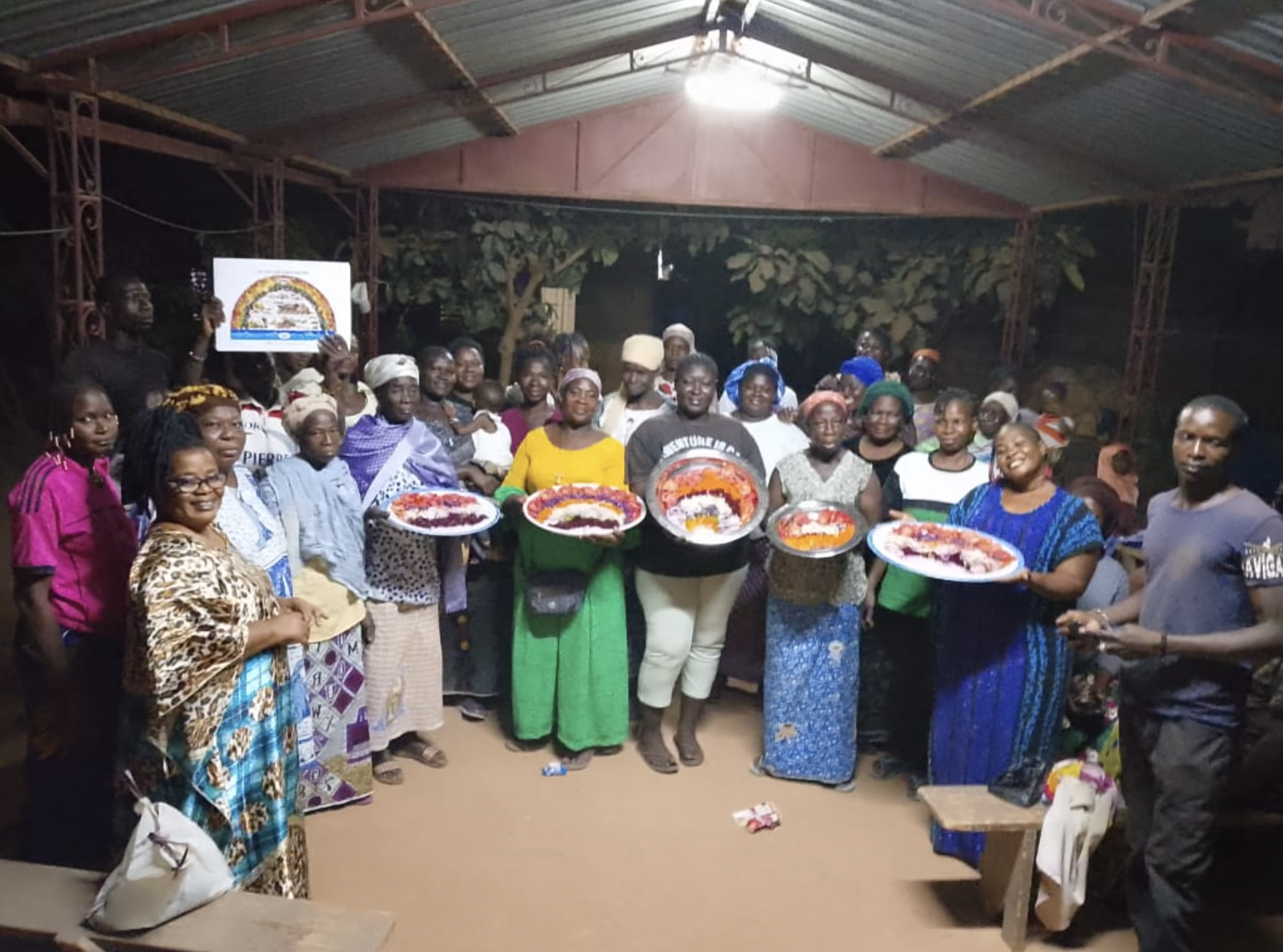
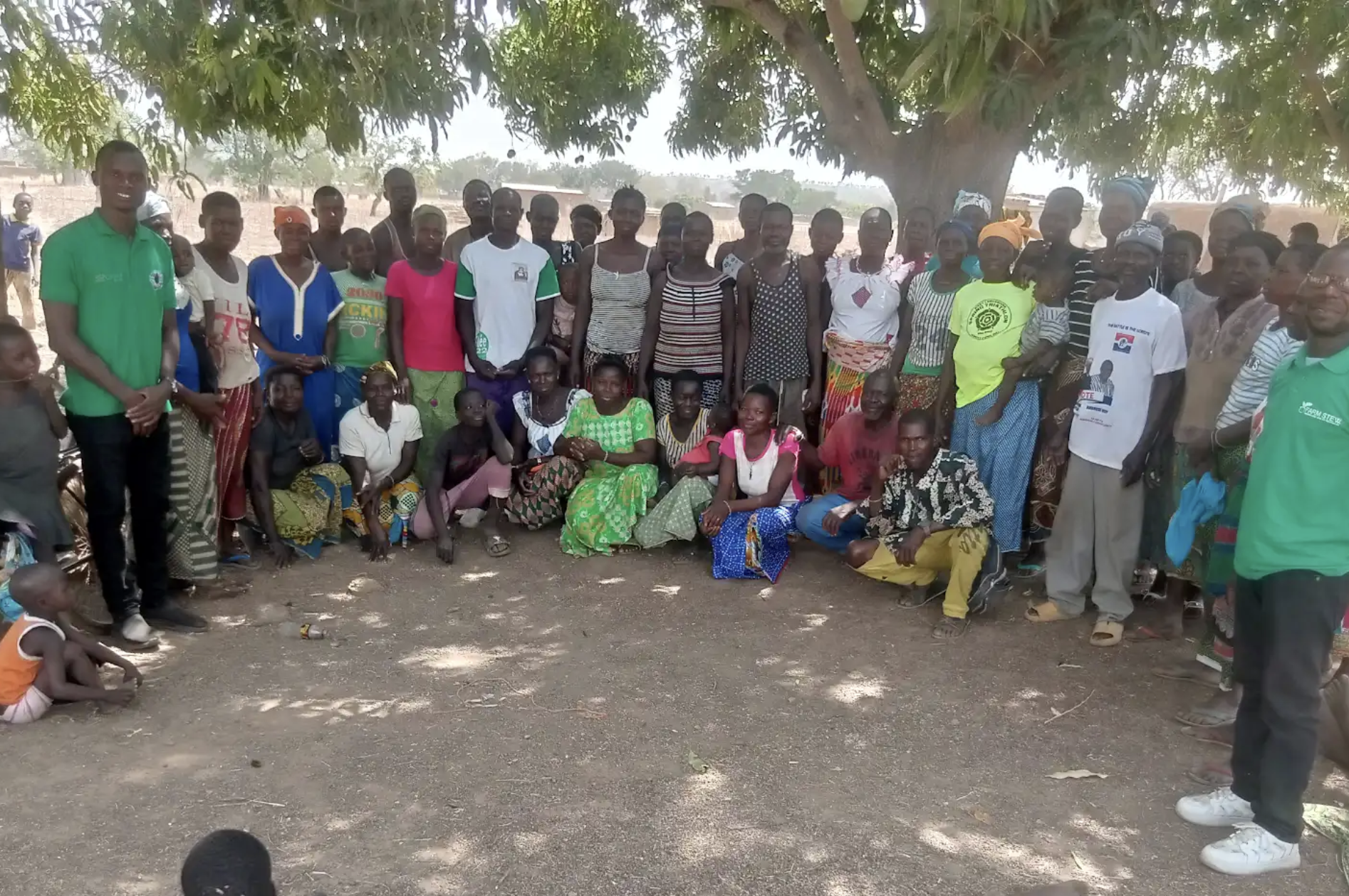
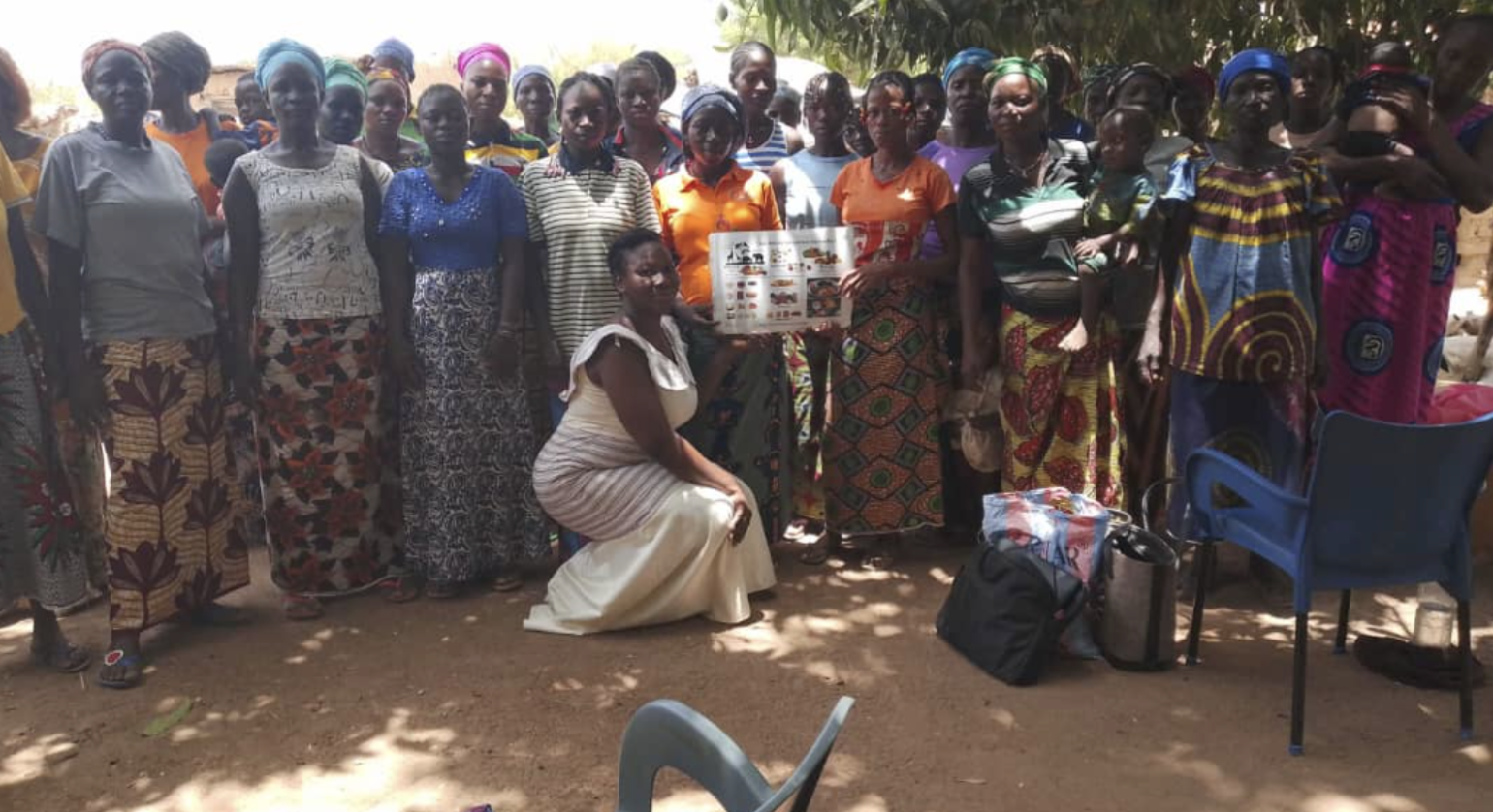
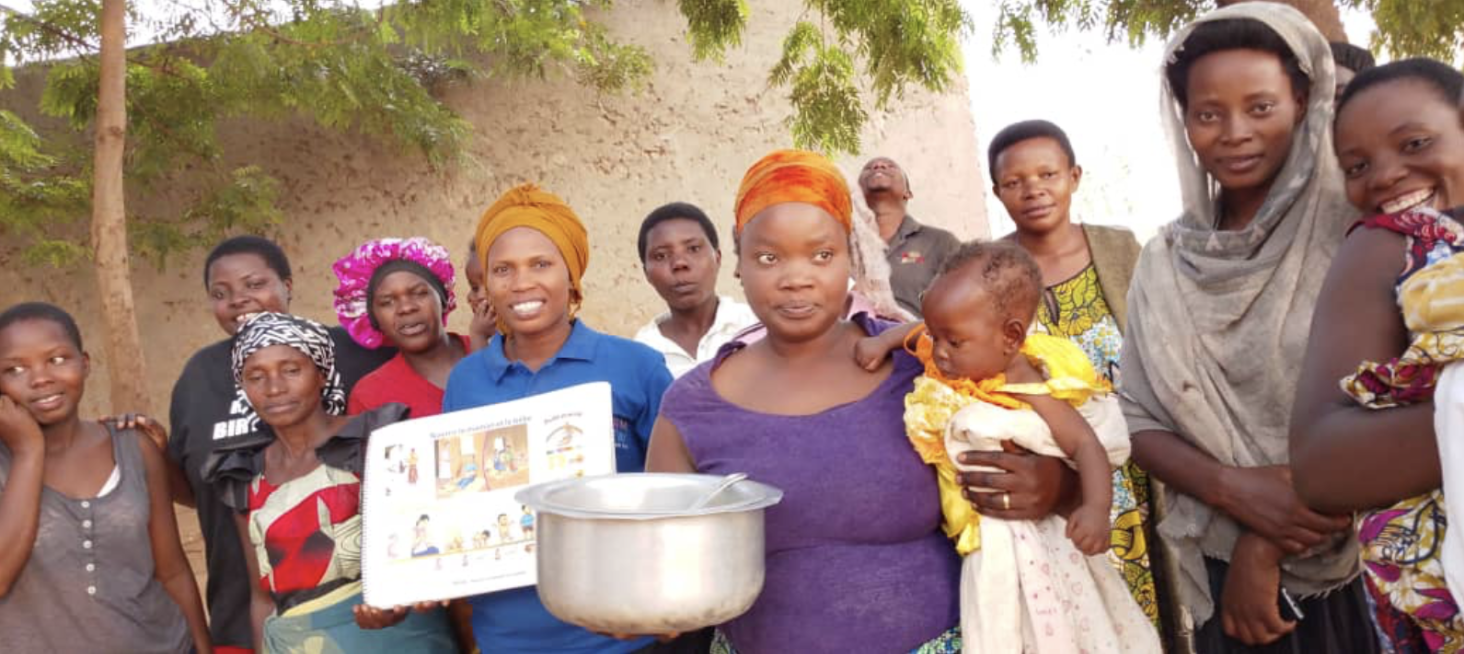
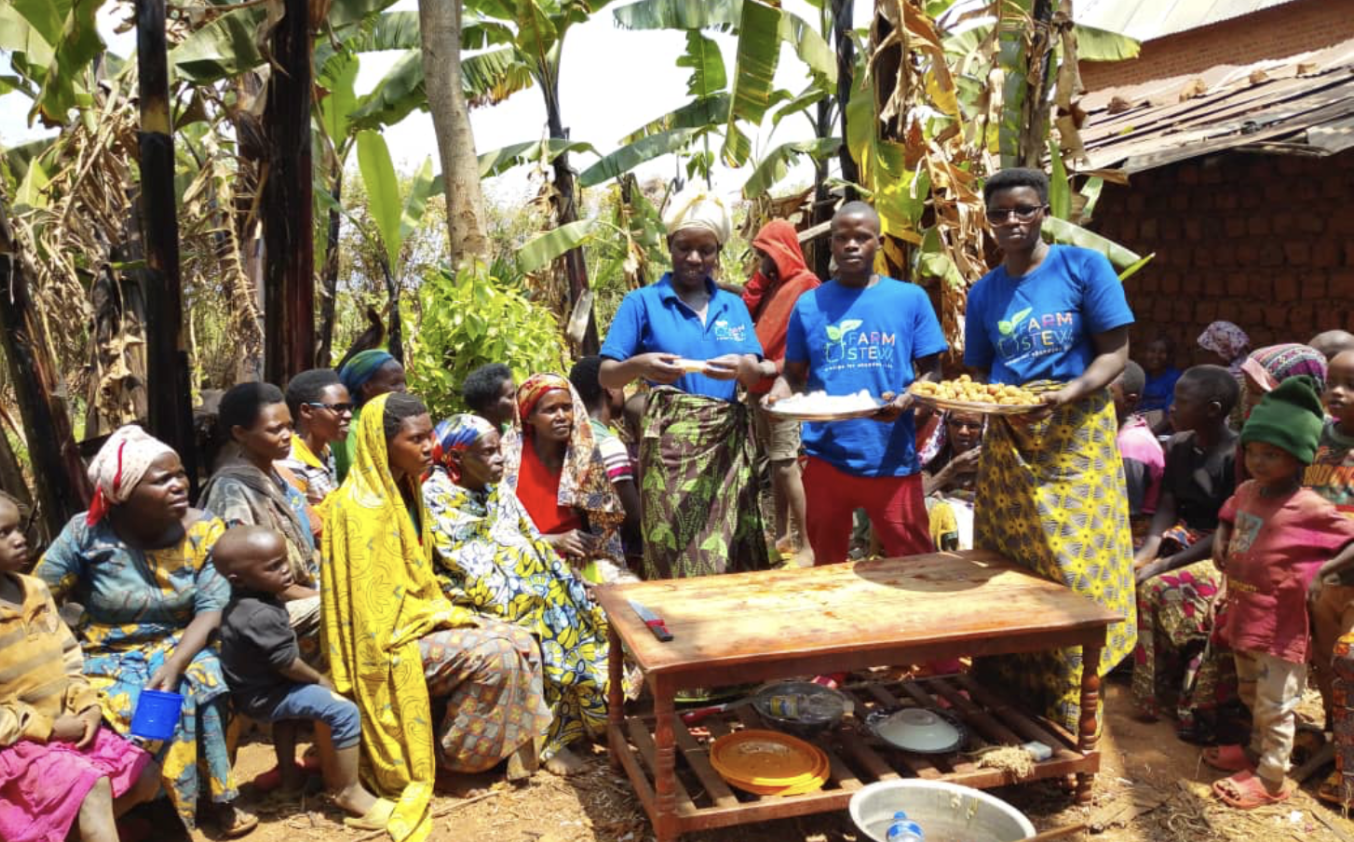
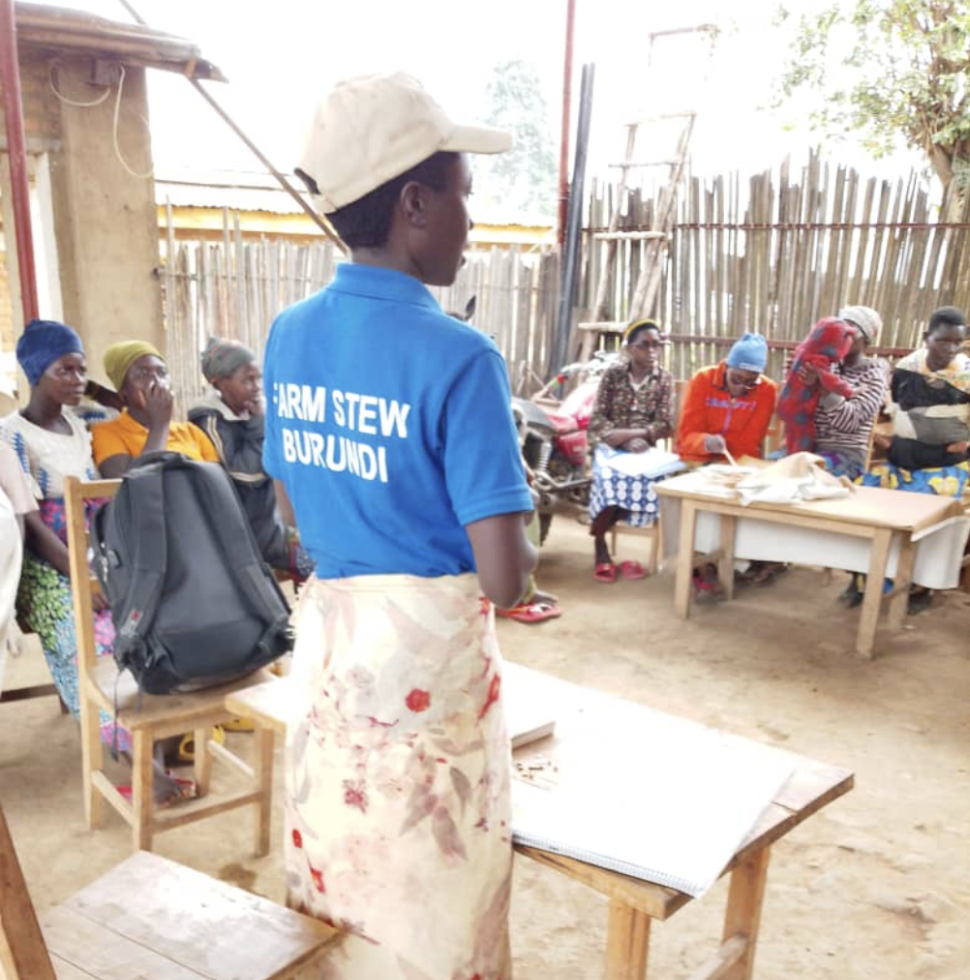
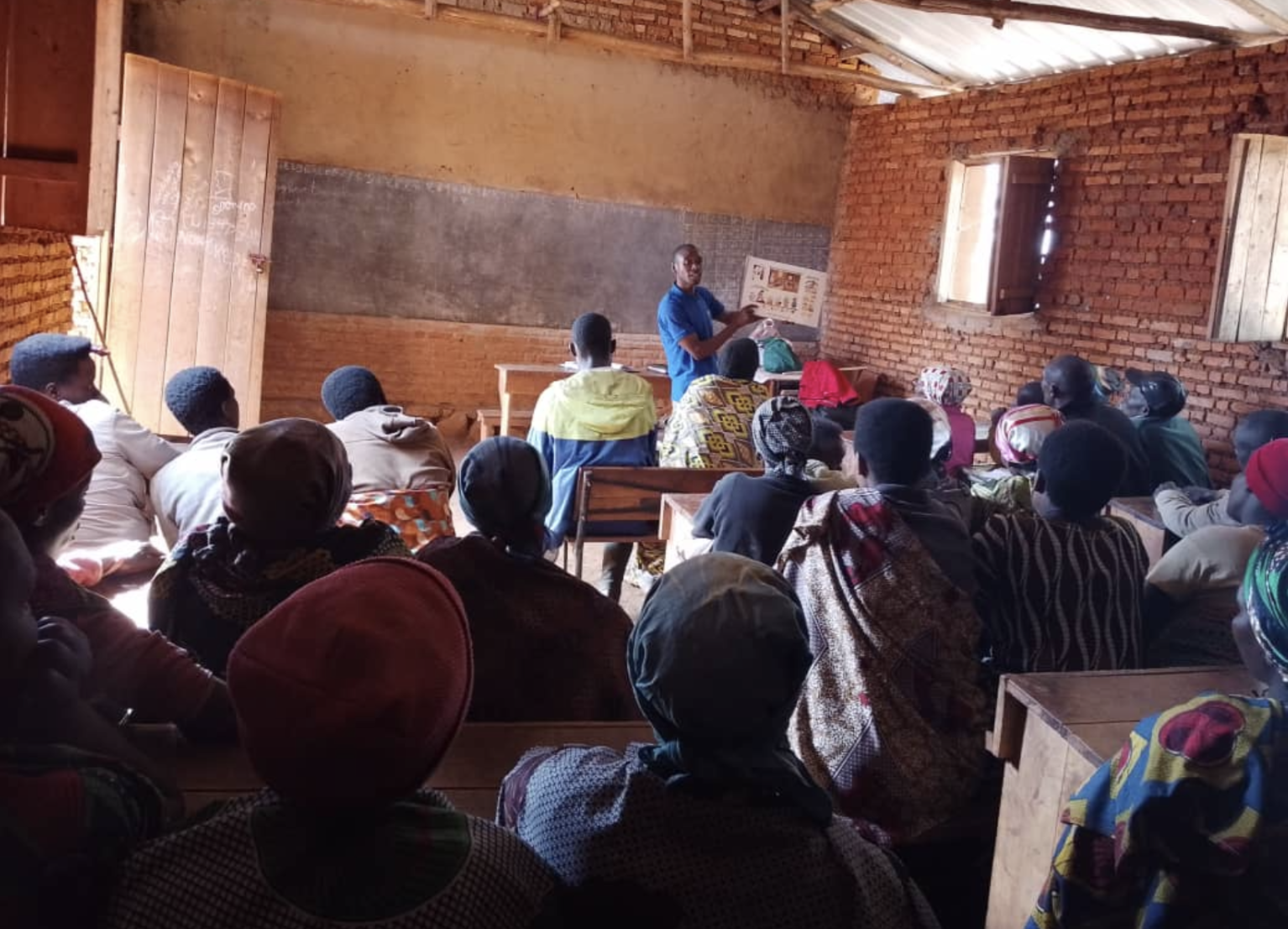
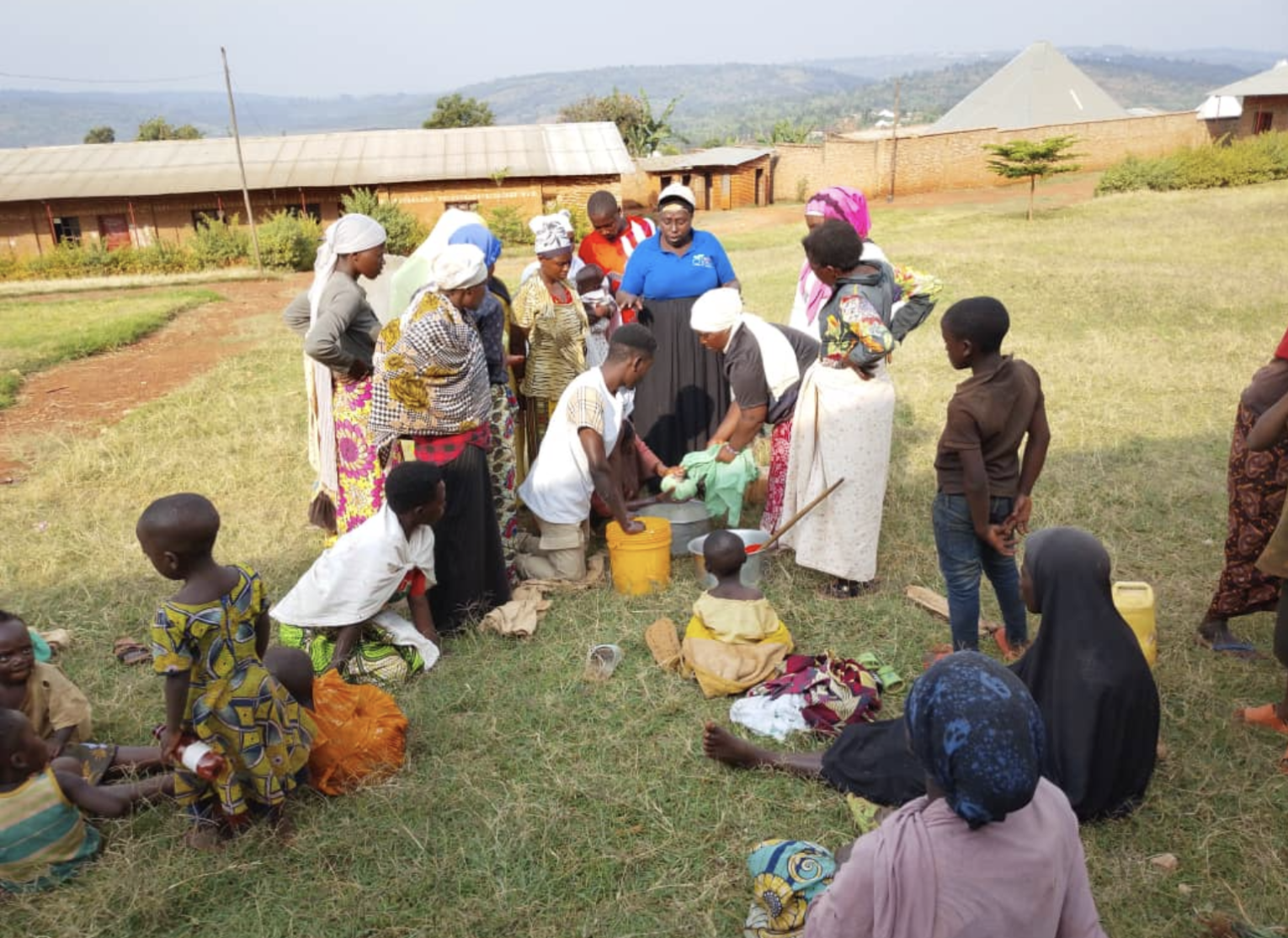
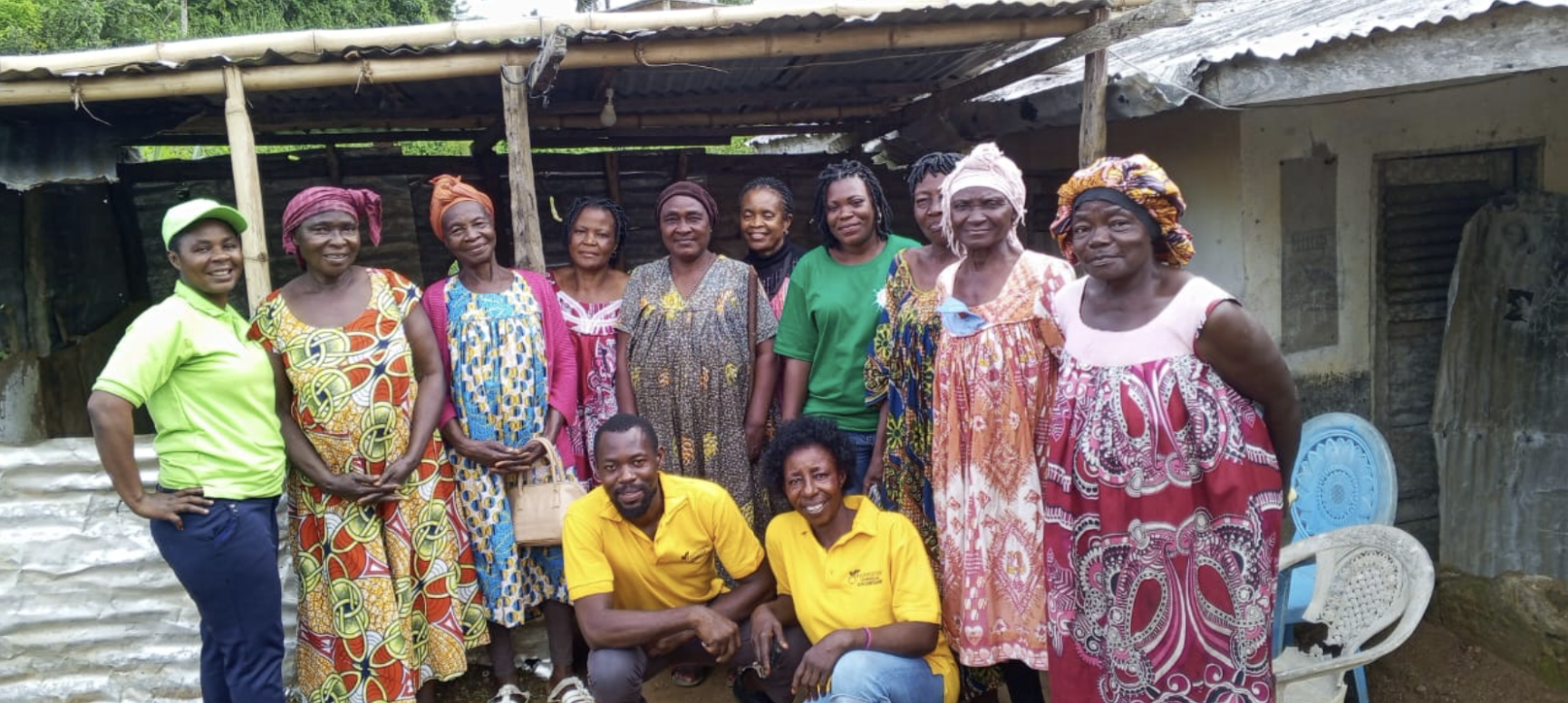
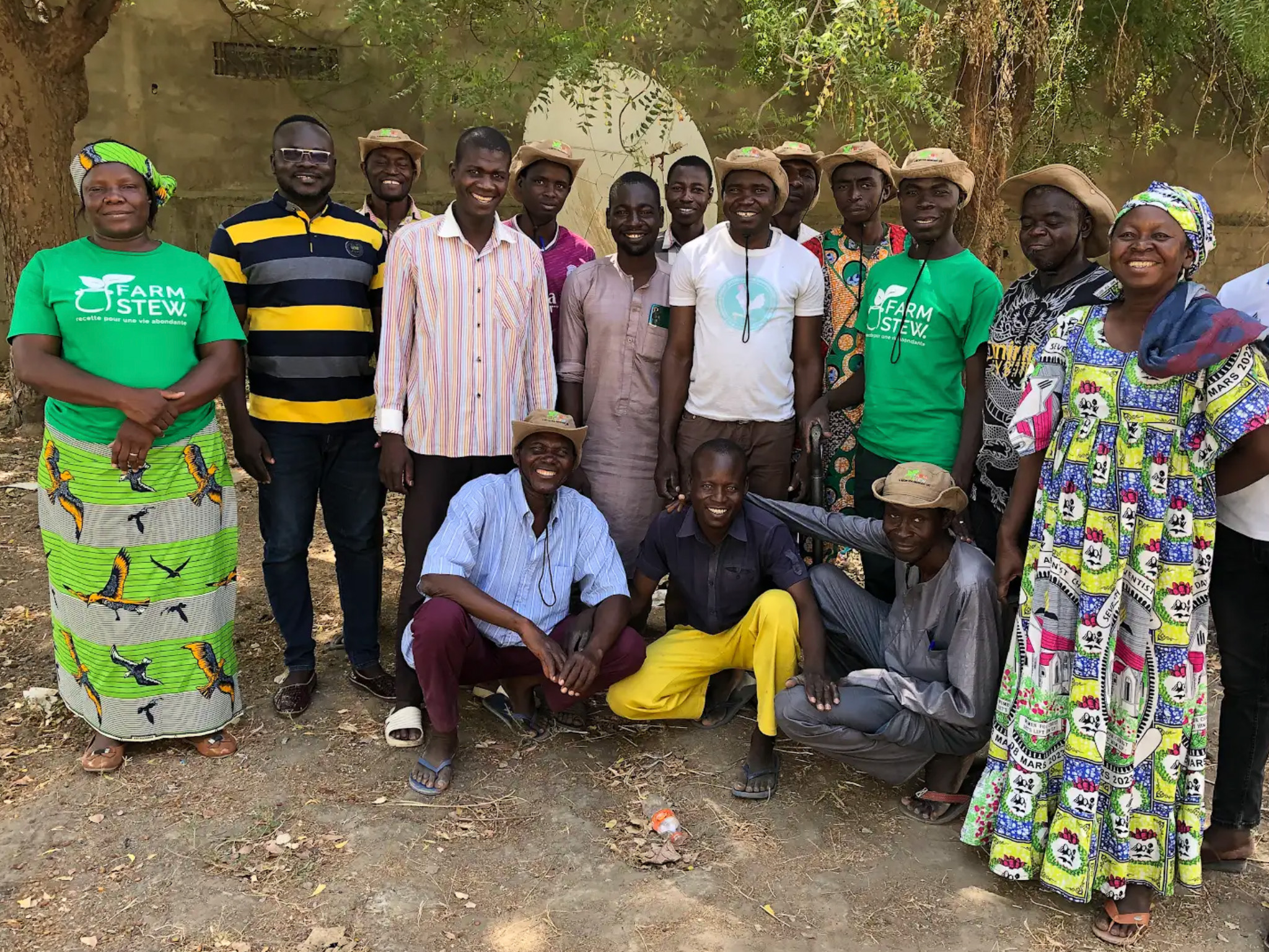
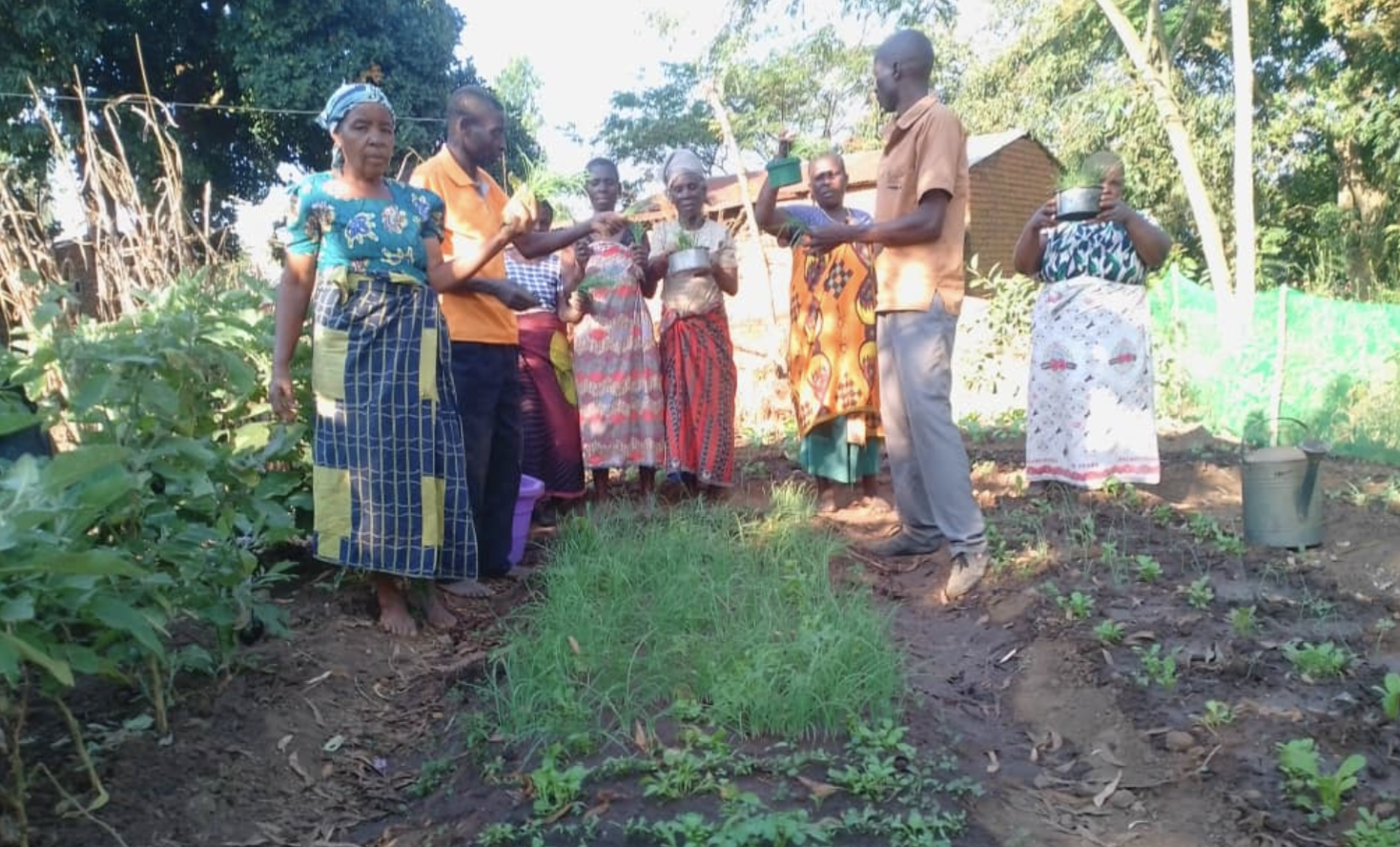
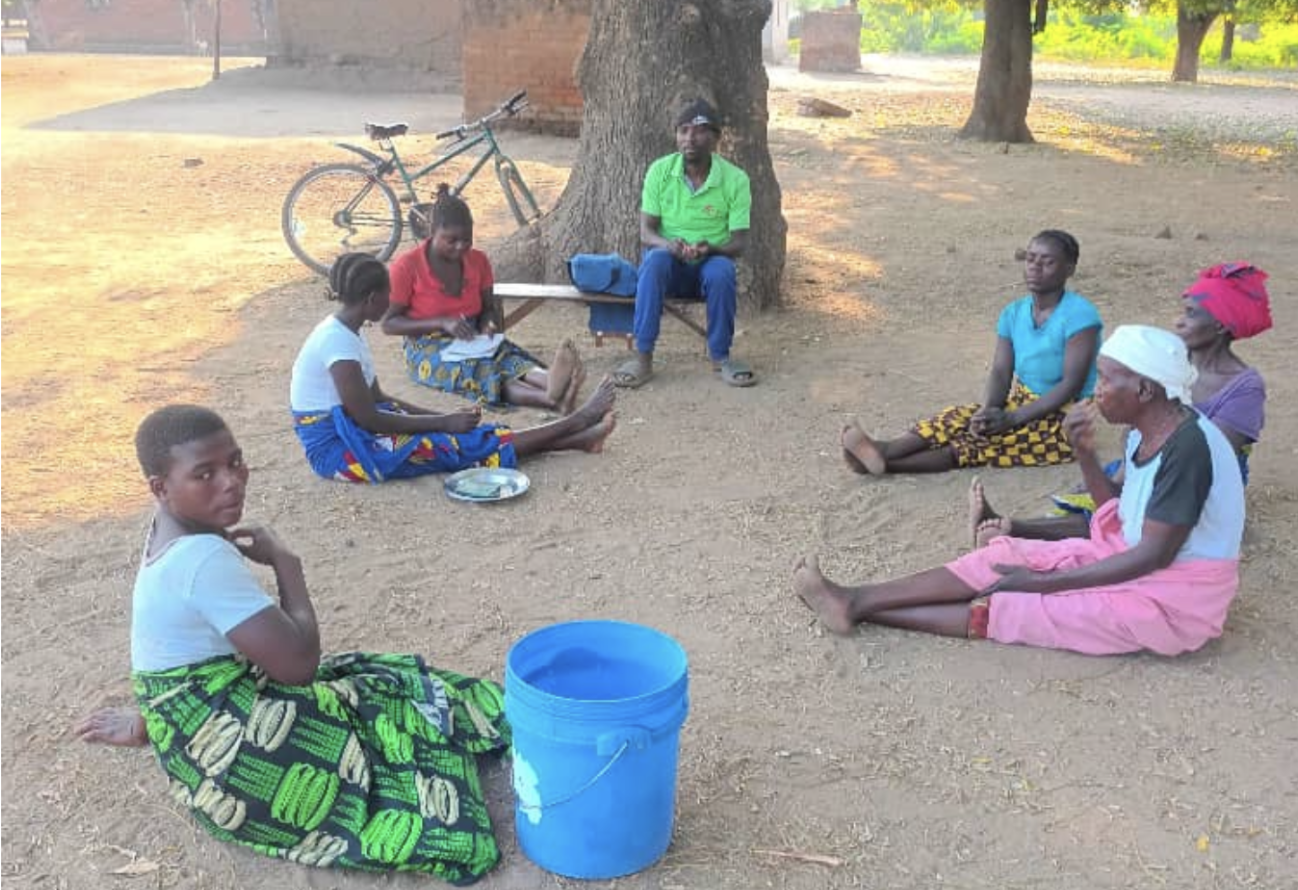
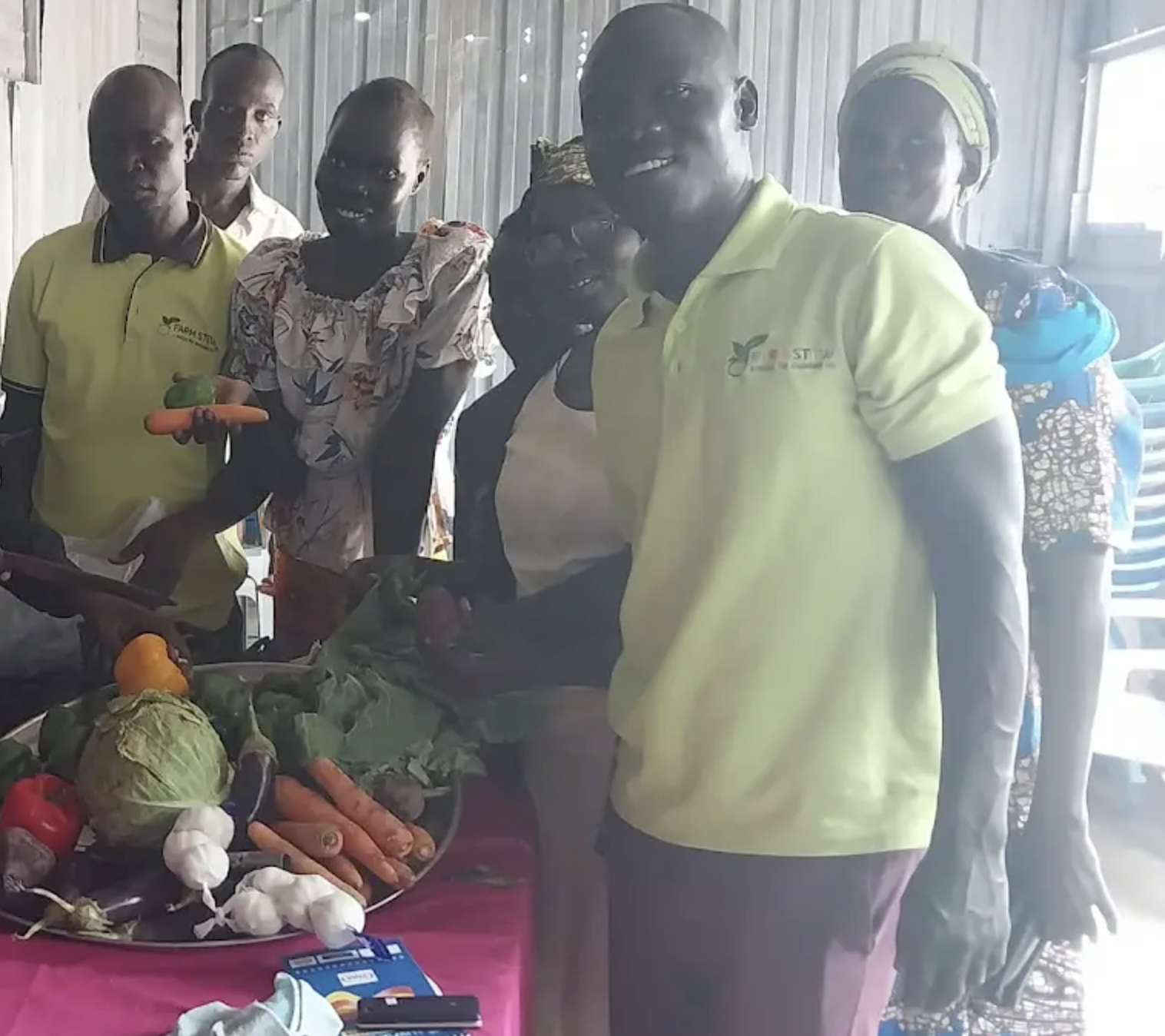
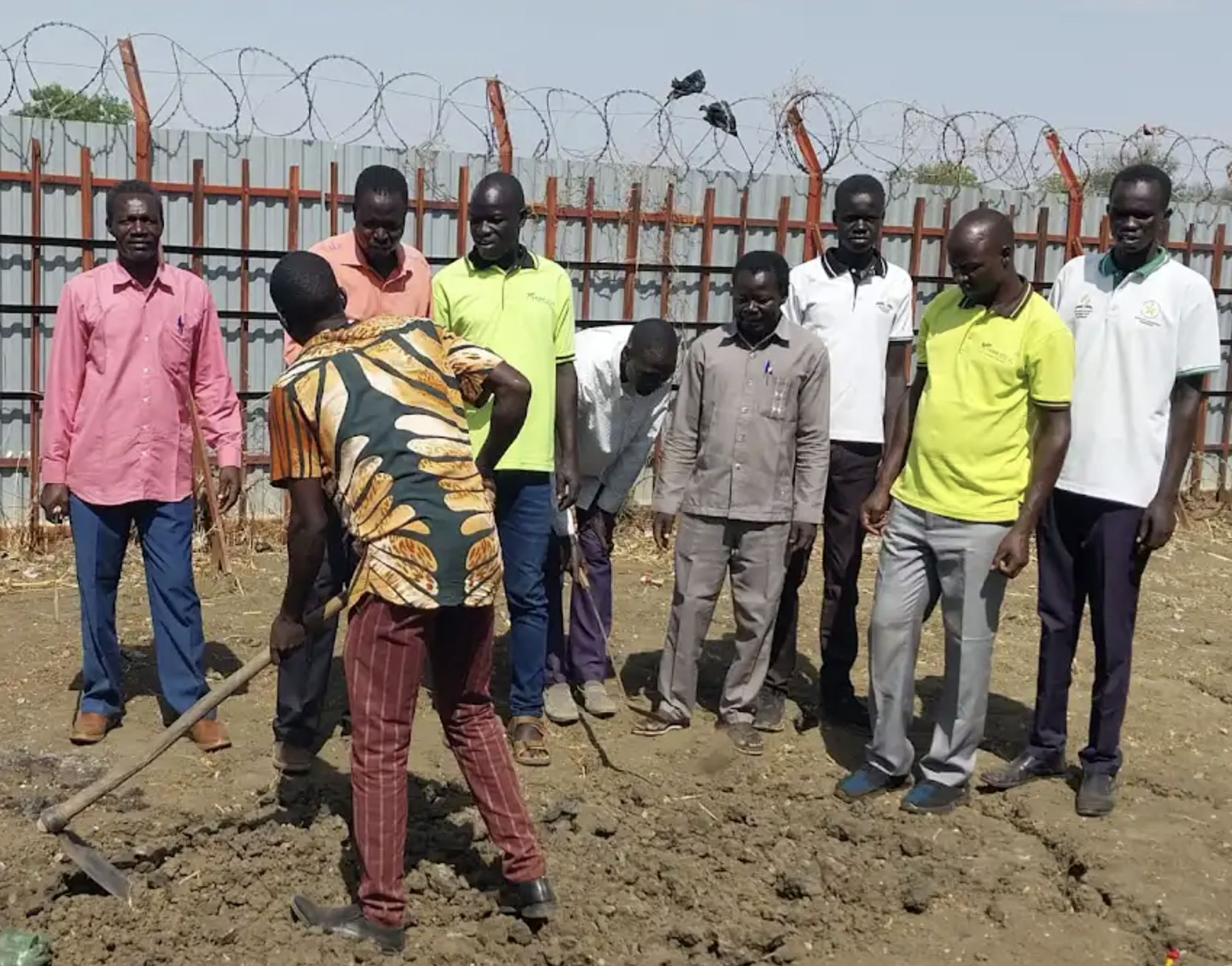
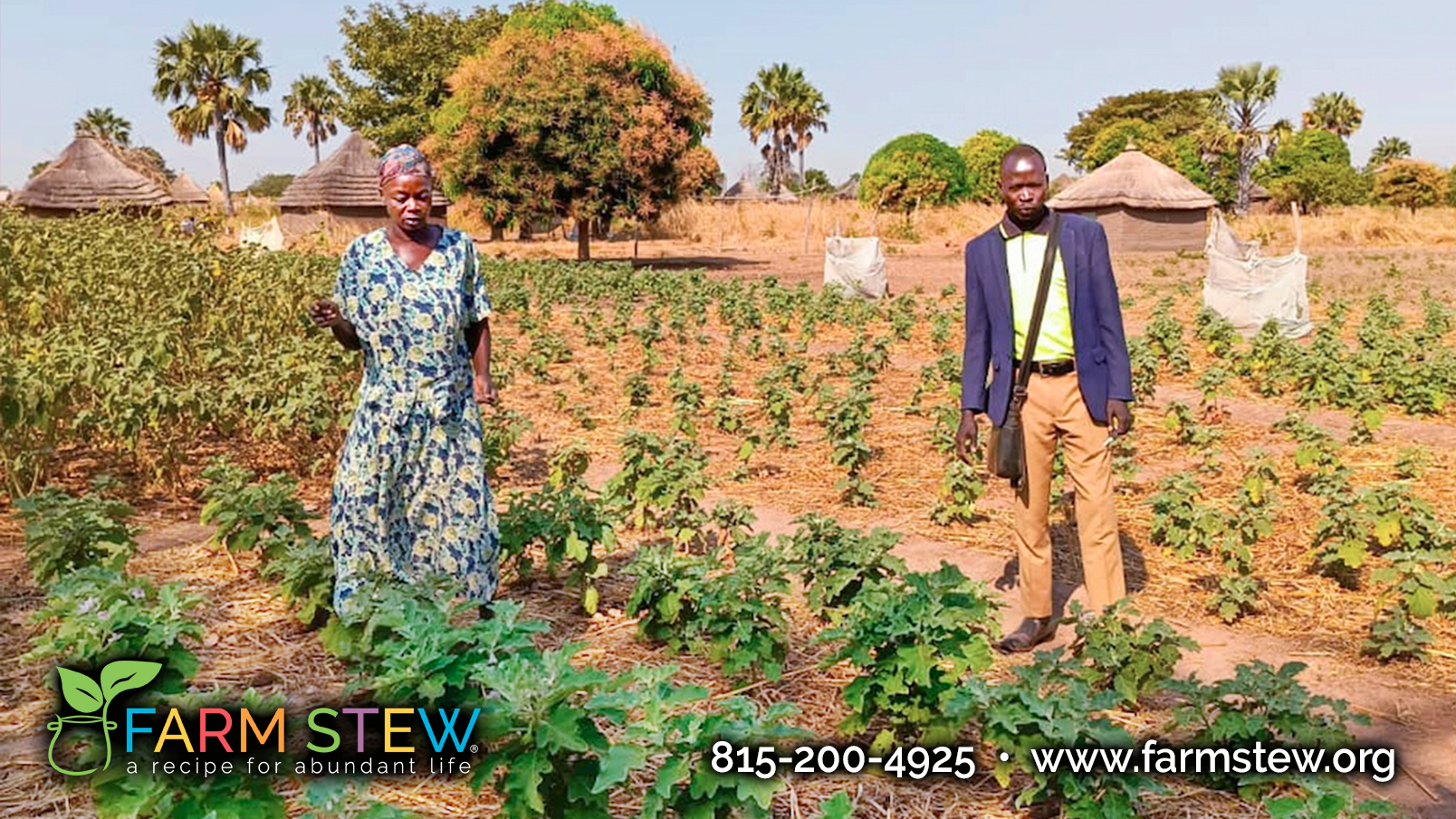
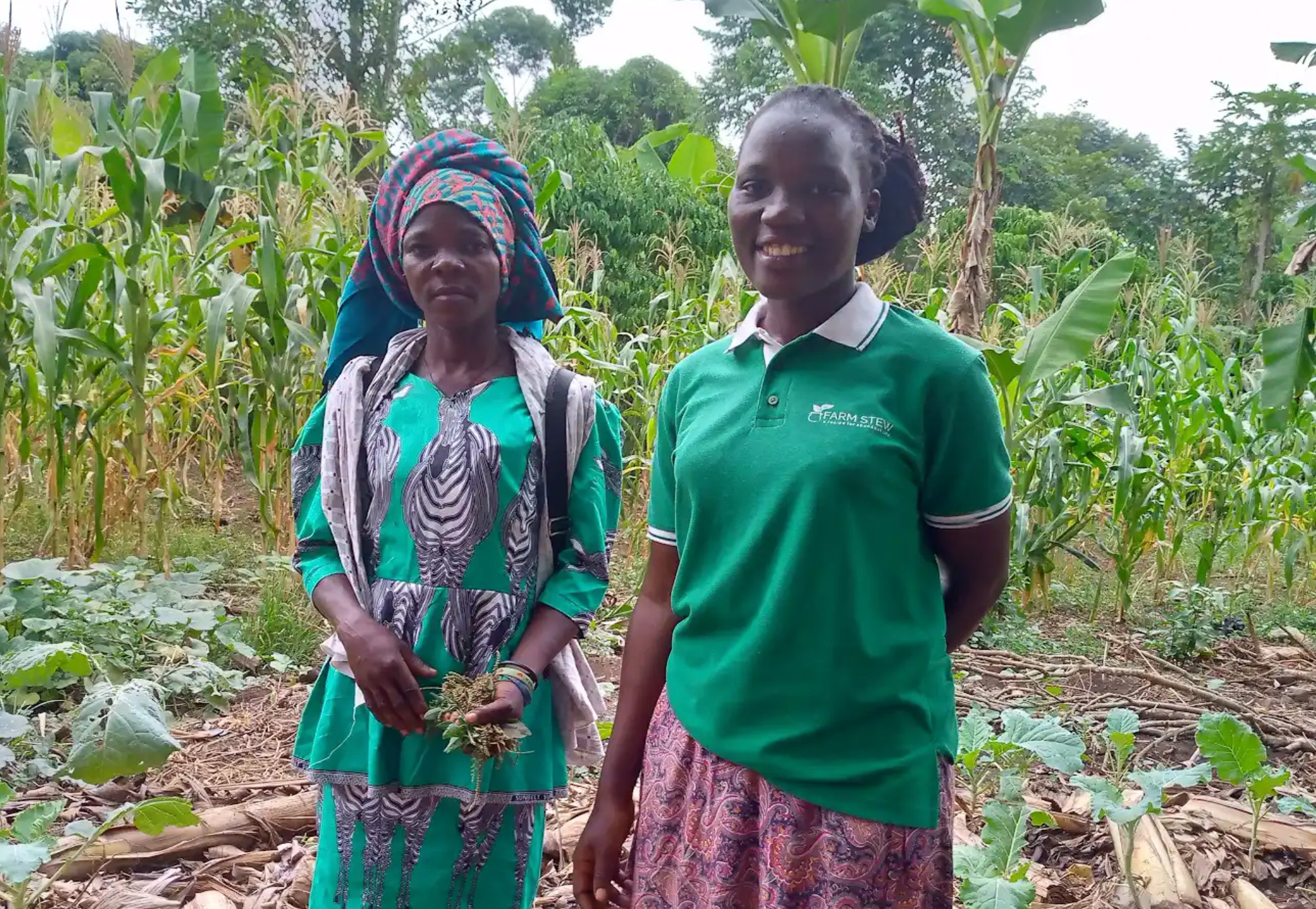
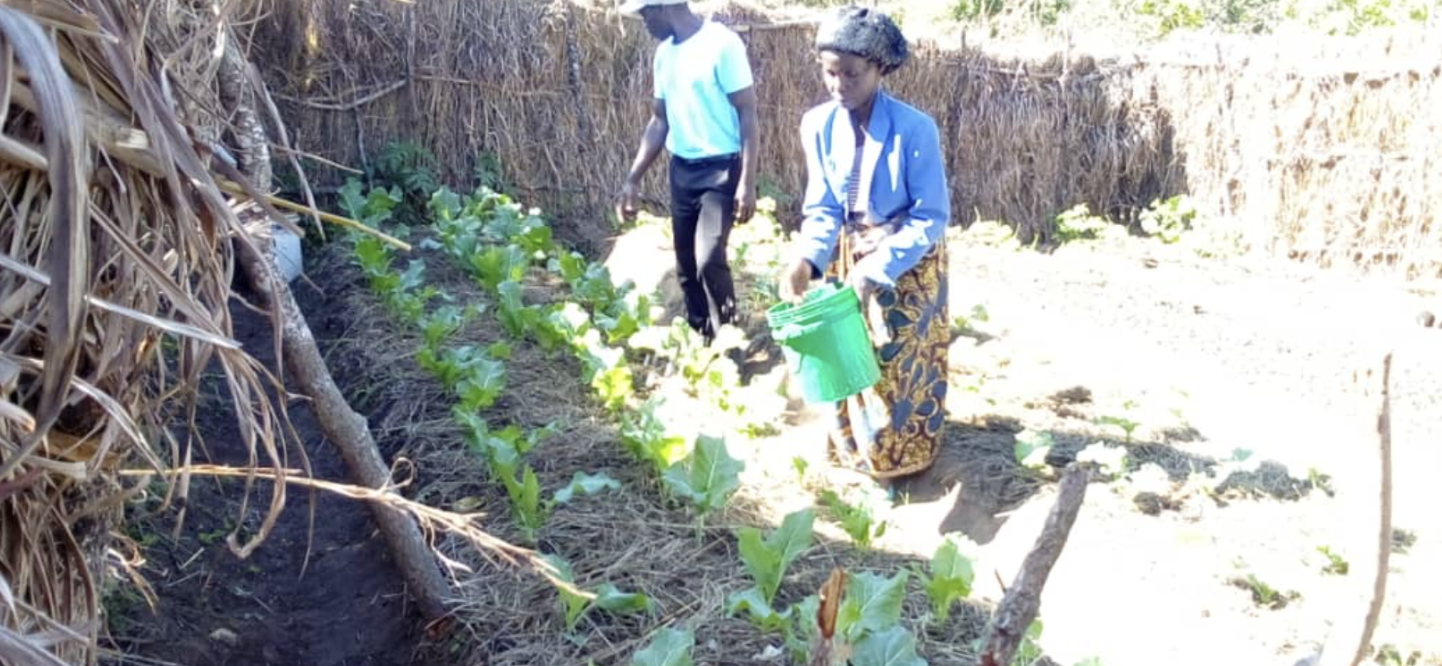
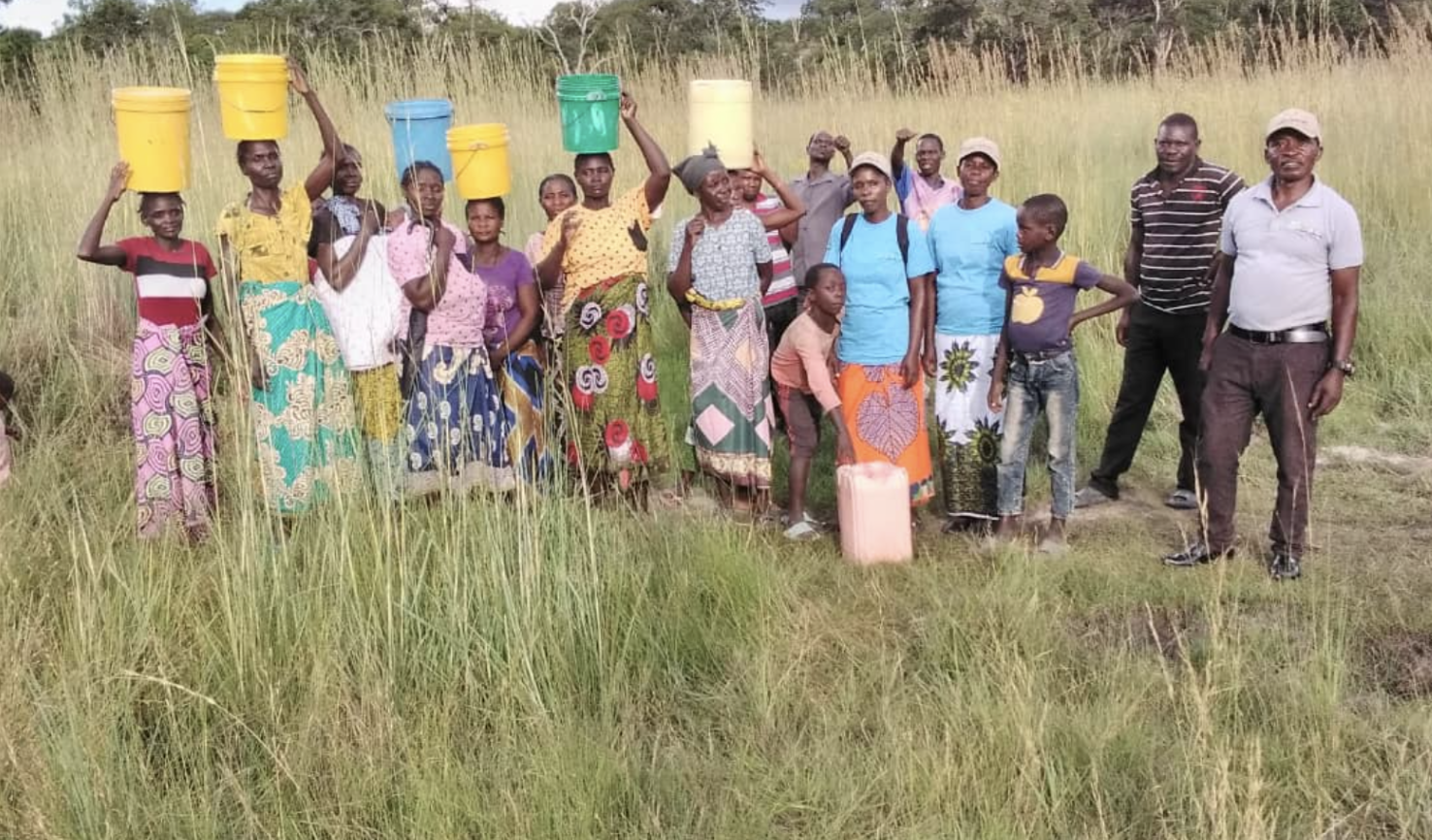
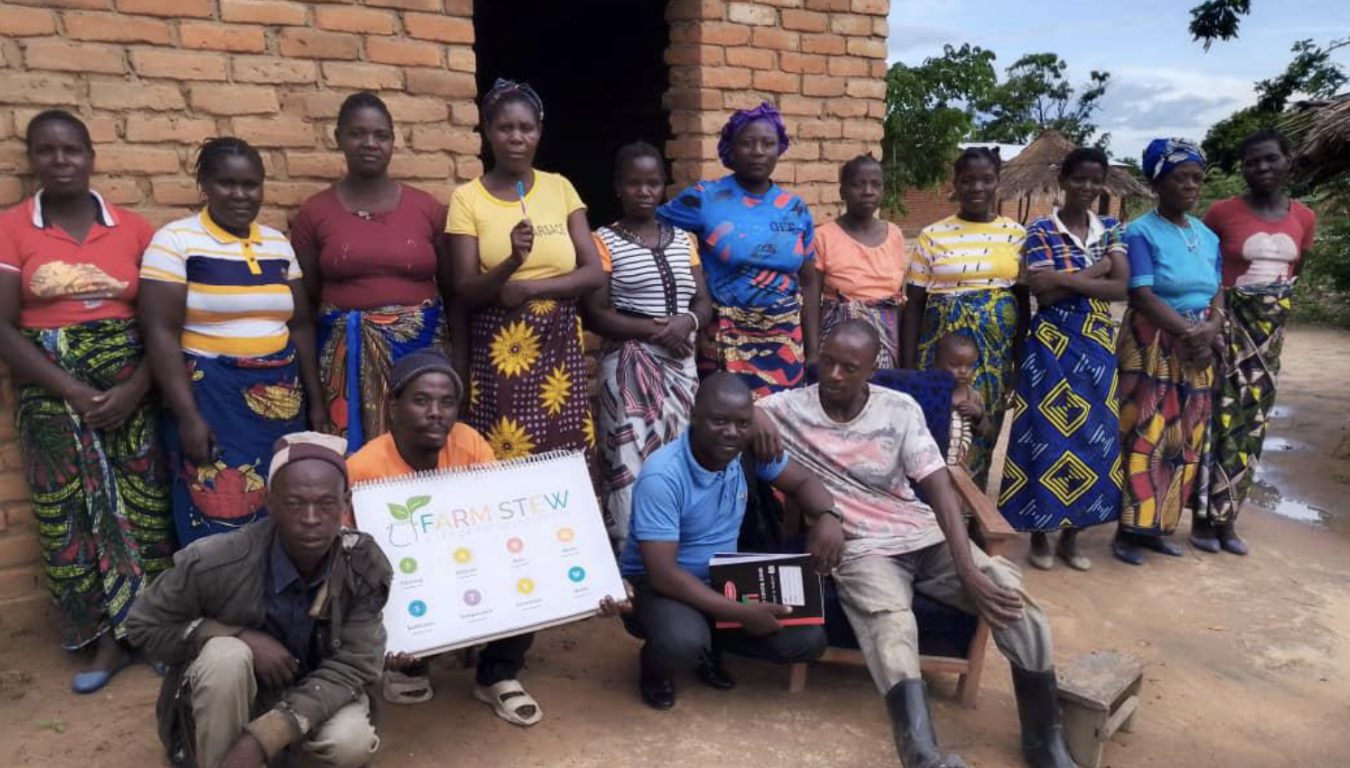
Local Christian trainers teach farming, clean water, health, enterprise, sanitation and much more. Families stop surviving and start thriving. Where FARM STEW goes, the church grows.
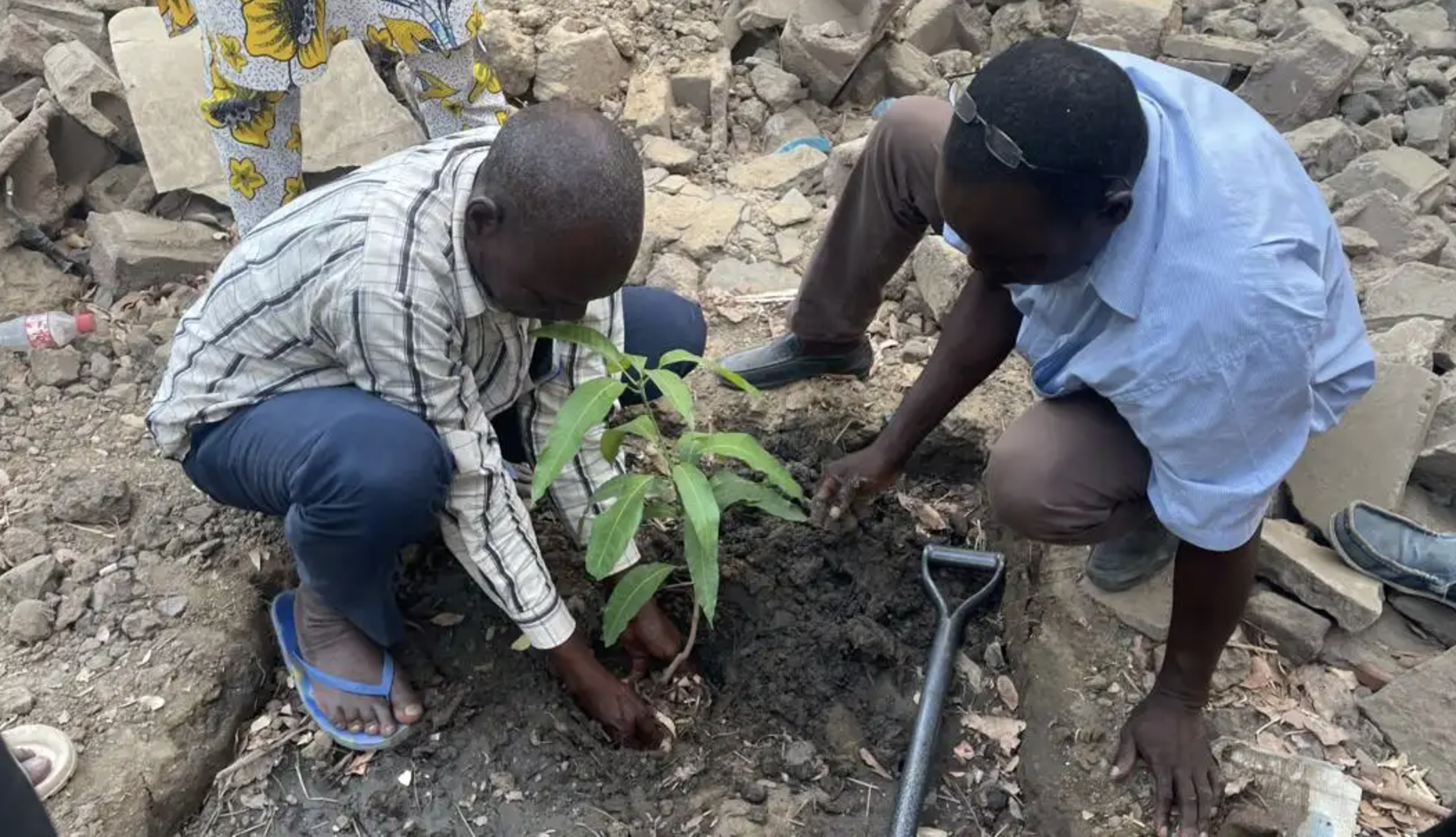
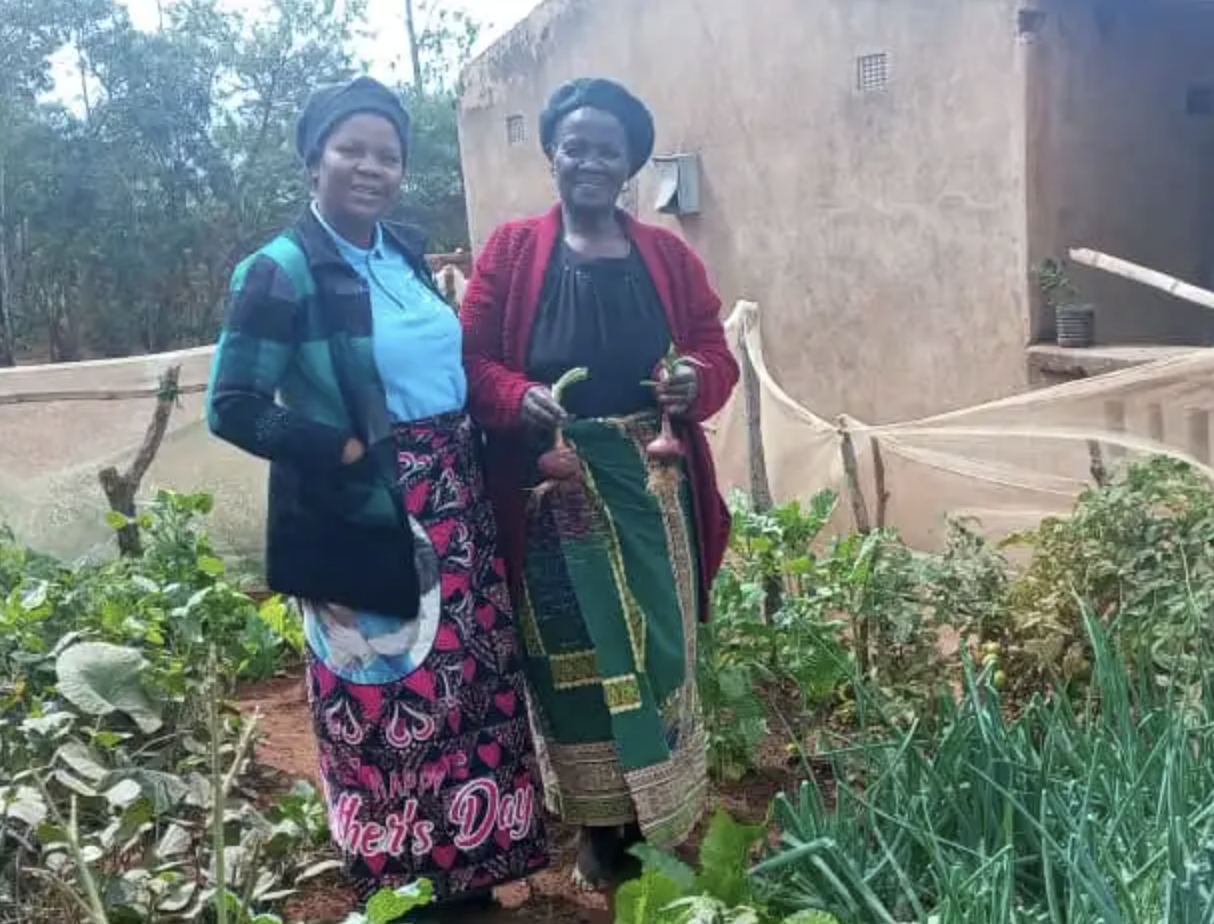
We train people with skills, tools, and coaching. Dignity rises. Income grows. Girls stay in school. Health improves.
You help people help themselves!
You’ll know where every dollar goes. You’ll receive village-specific updates, photos, and milestones.
FARM STEW has clean independent audits and top charity ratings.
This is Christ's method in action - meeting needs, building trust, and opening hearts to Jesus.
You’re not just funding projects, you’re discipling nations. When Jesus asks what you did for the least of these, you'll have a good answer.
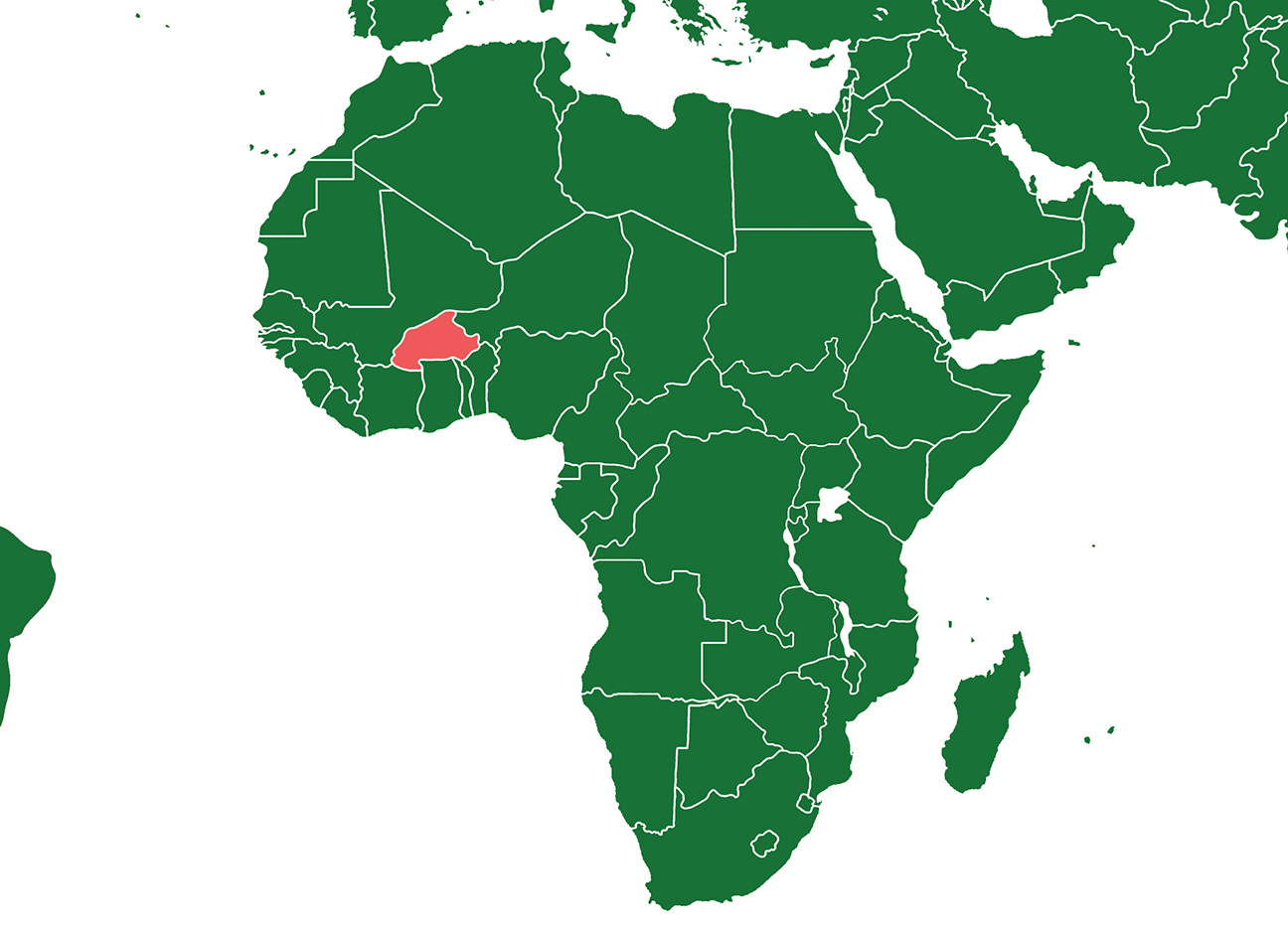
Burkina Faso, a landlocked country in West Africa, is renowned for its rich cultural heritage, yet it faces persistent poverty and development challenges. It is within the 10/40 window. Its economy is largely based on agriculture, and most people depend on one season of rain-fed agriculture for their livelihoods. More than 40% of the population lives in poverty.Many communities, particularly in rural areas, face challenges due to limited access to essential services such as food, healthcare, and clean water. Women and children remain the most impacted. Despite these hardships, communities want to learn the FARM STEW recipe.
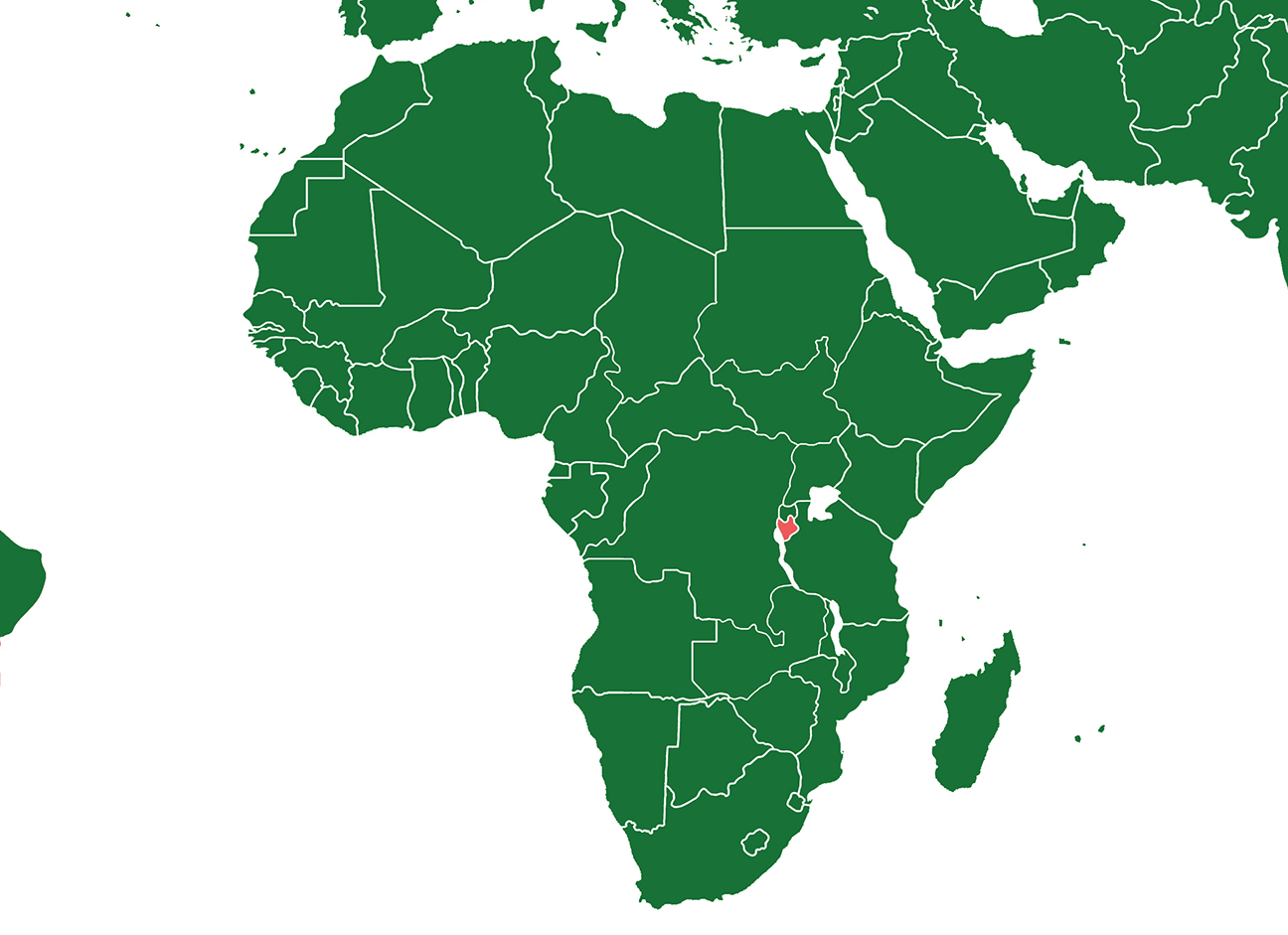
Burundi, a small landlocked country in East Africa, faces ongoing economic and social challenges. Many families in rural areas struggle to meet basic needs, with limited access to clean water, healthcare, fuel, and electricity. Food shortages and unemployment remain pressing issues, and past conflicts have left lasting effects on communities.Despite these hardships, Burundians are known for their resilience, strong community ties, and determination to improve their future. They are thrilled to have FARM STEW launched in their country in 2025.

Cameroon, located in Central Africa, experiences diverse climates, ranging from hot and humid in the forested South, West and North West regions to hotter and drier conditions in the Savanna and Sahel in the North. Cameroon boasts two capitals — Yaoundé, the Center Region's political hub, and Douala, the largest city and economic center.Cameroon is rich in natural resources and cultural diversity, yet many communities face persistent poverty. Rural areas, in particular, experience limited access to healthcare, education, and clean water. Food insecurity, unemployment, and vulnerability to climate-related challenges continue to affect daily life, with women and children being the most impacted.

Chad is a landlocked country in north-central Africa with a population of about 18–19 million people from over 200 ethnic groups. The official languages are French and Arabic, though many local languages are spoken. The economy relies heavily on agriculture, livestock, and oil, but poverty and food insecurity remain widespread. Most rural households practice small-scale farming of millet, sorghum, maize, and groundnuts.Chad faces challenges such as malnutrition, limited access to health and education, weak infrastructure, and climate change impacts. Despite this, opportunities exist in sustainable agriculture, nutrition education, and community-driven development, particularly in the more fertile southern regions.
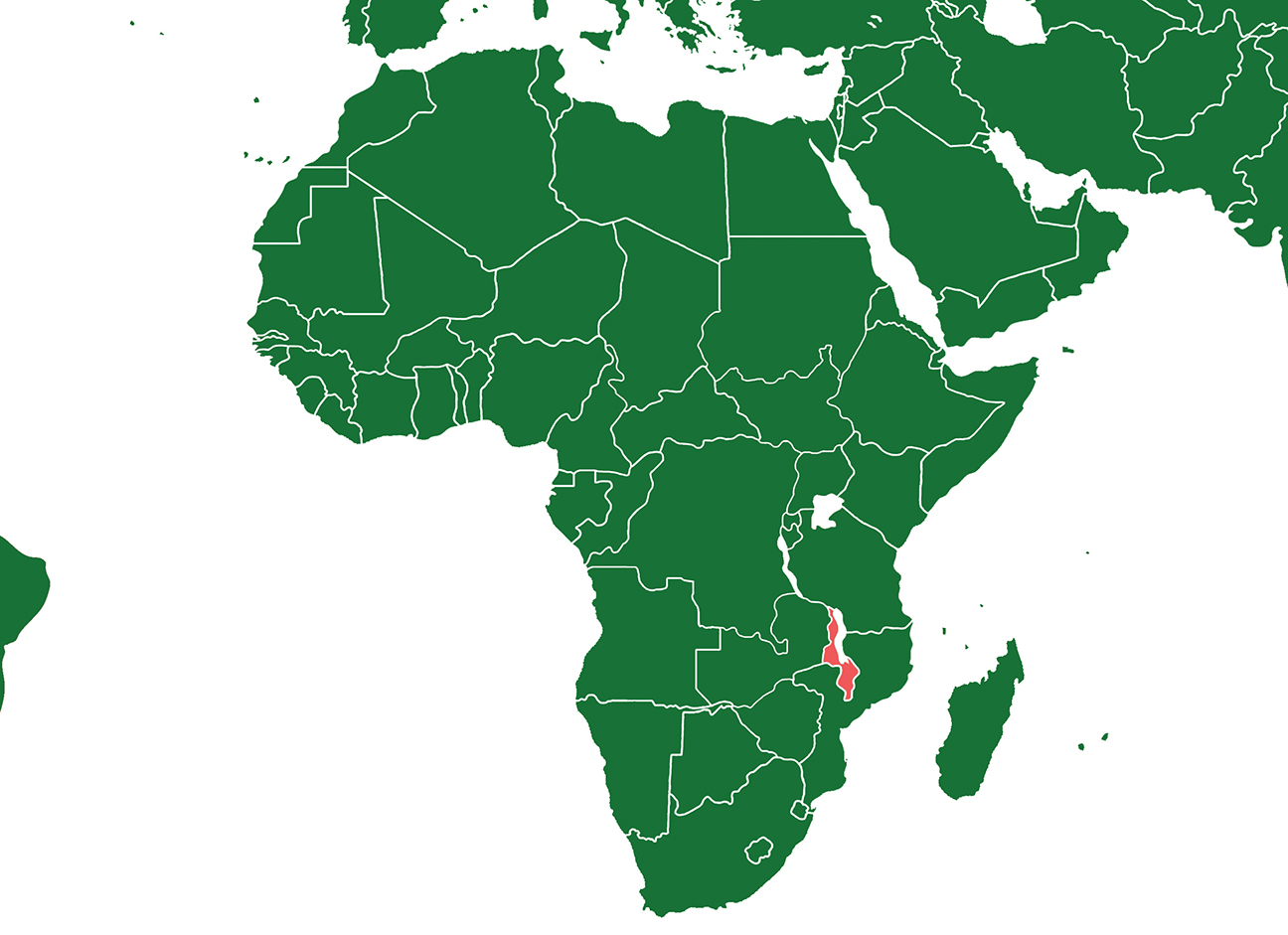
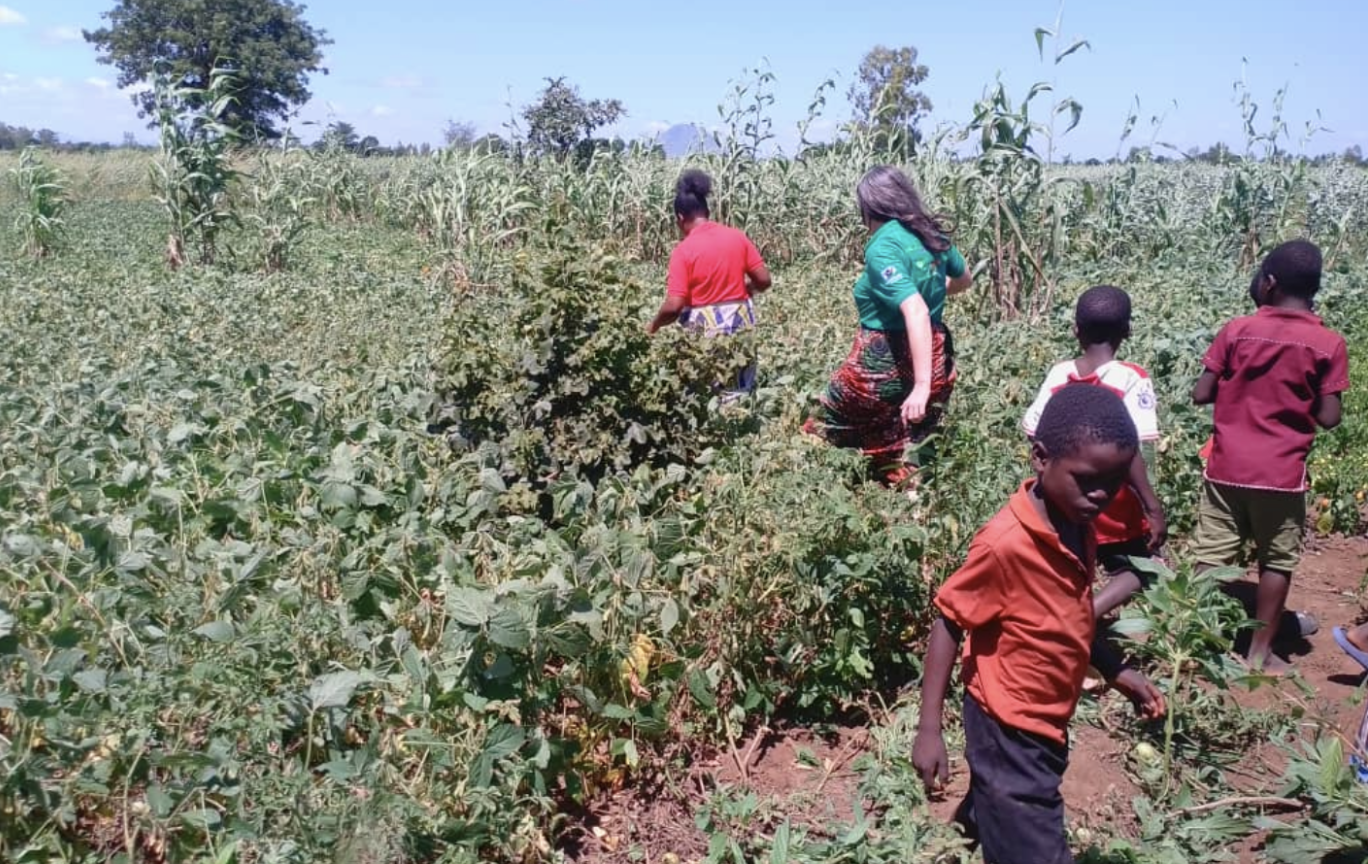
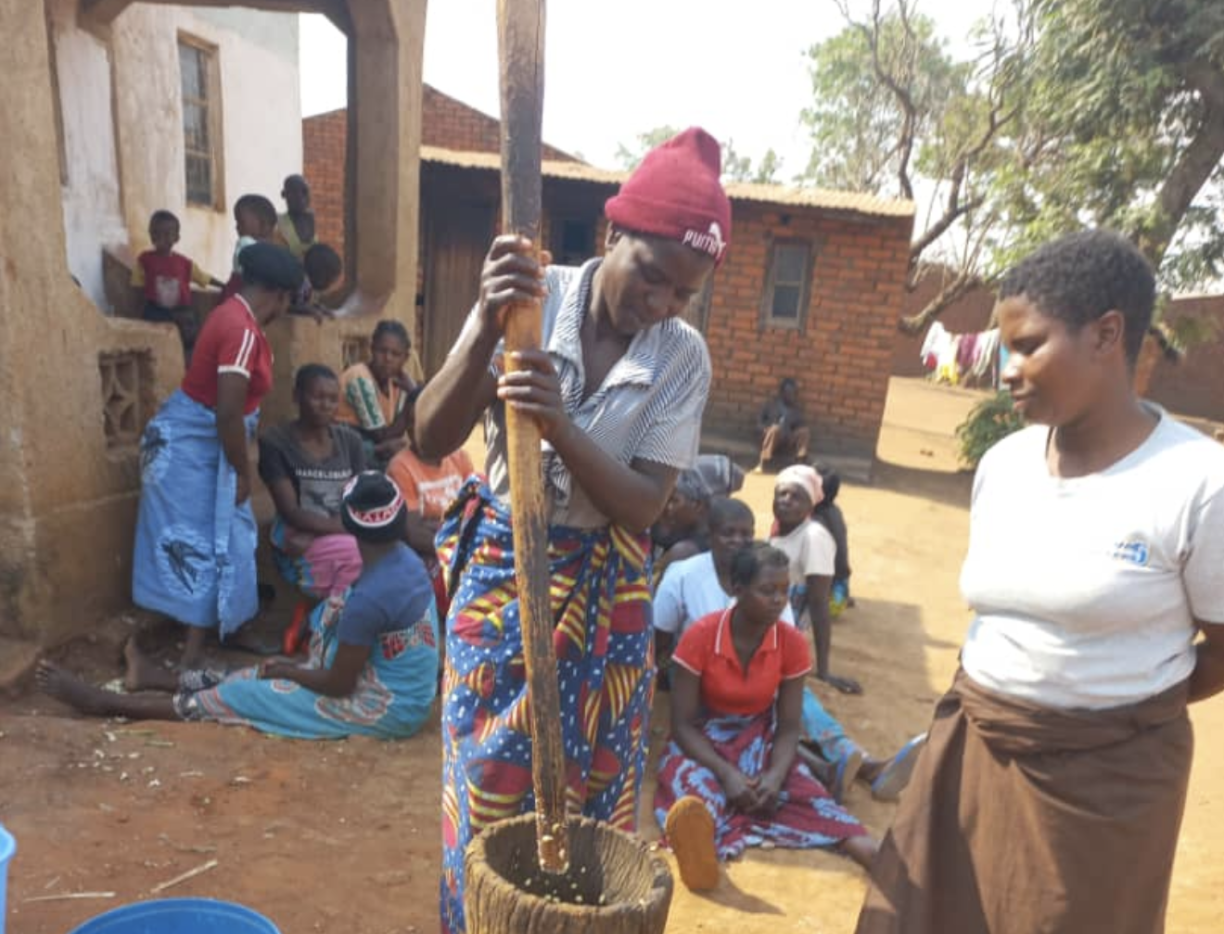
Malawi, a landlocked country in southeastern Africa, is often called the ‘Warm Heart of Africa’ for the kindness of its people. Yet it remains one of the world’s poorest nations. The population of Malawi is nearly 23 million, with a median age is 17.2. Infant mortality is at 28.1 per 1000, and under-five deaths are at 38.7 percent of 1000 births. Life expectancy is 63.7 years.More than 16 million Malawians live in rural areas. The majority of the population relies on small-scale farming. Poverty, food insecurity, limited healthcare, and lack of educational opportunities continue to affect daily life, especially in rural areas where FARM STEW works
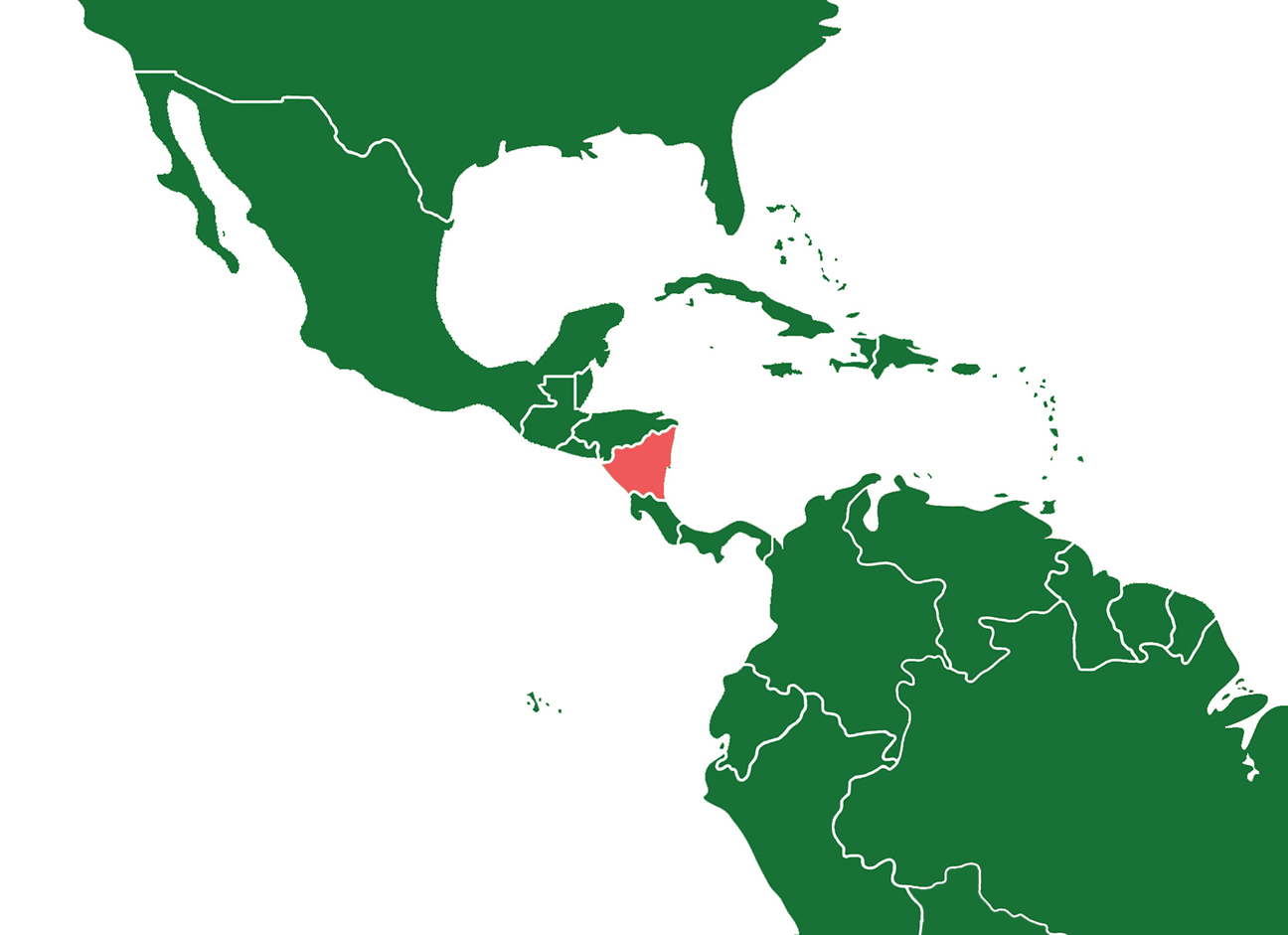
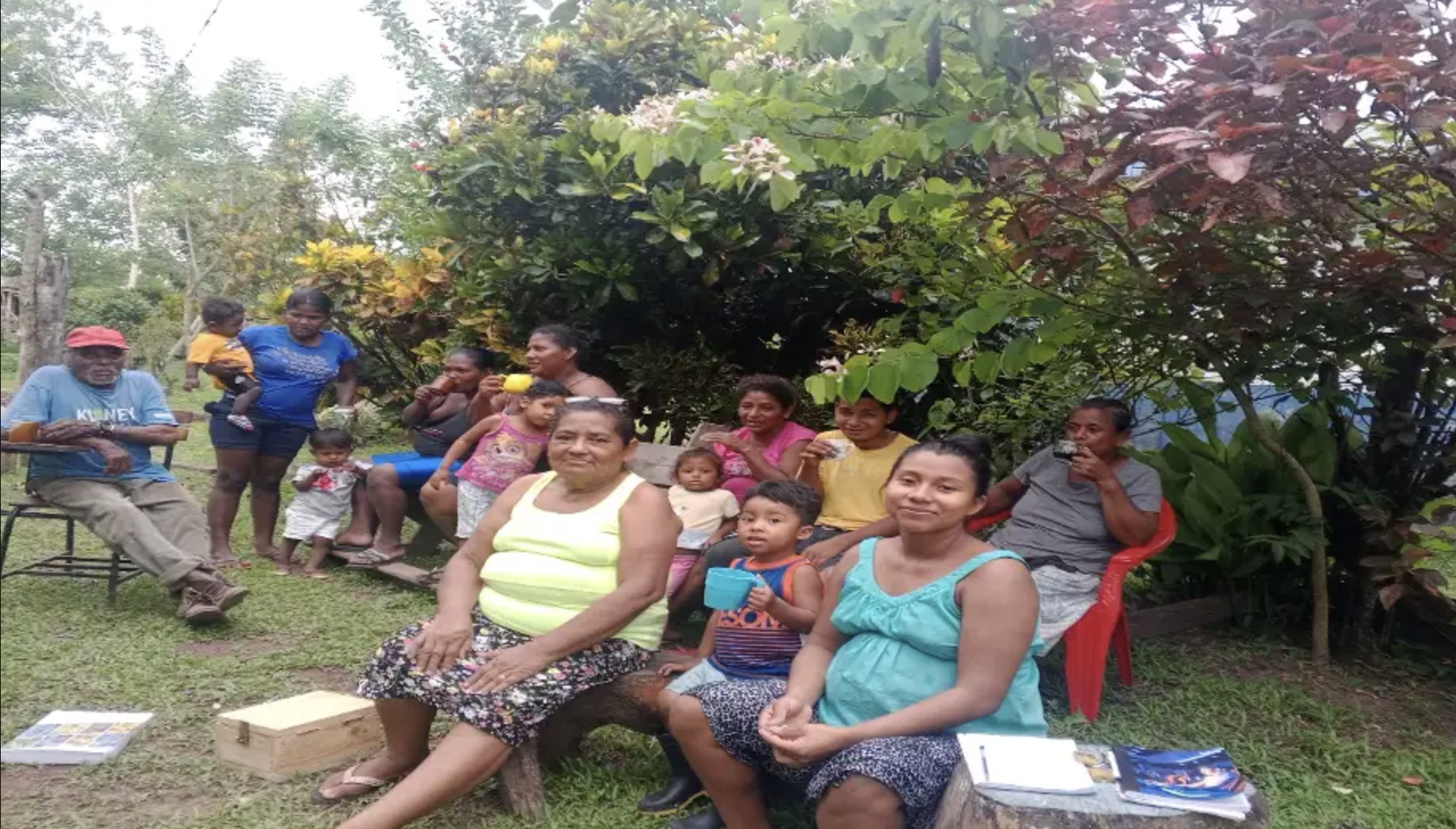
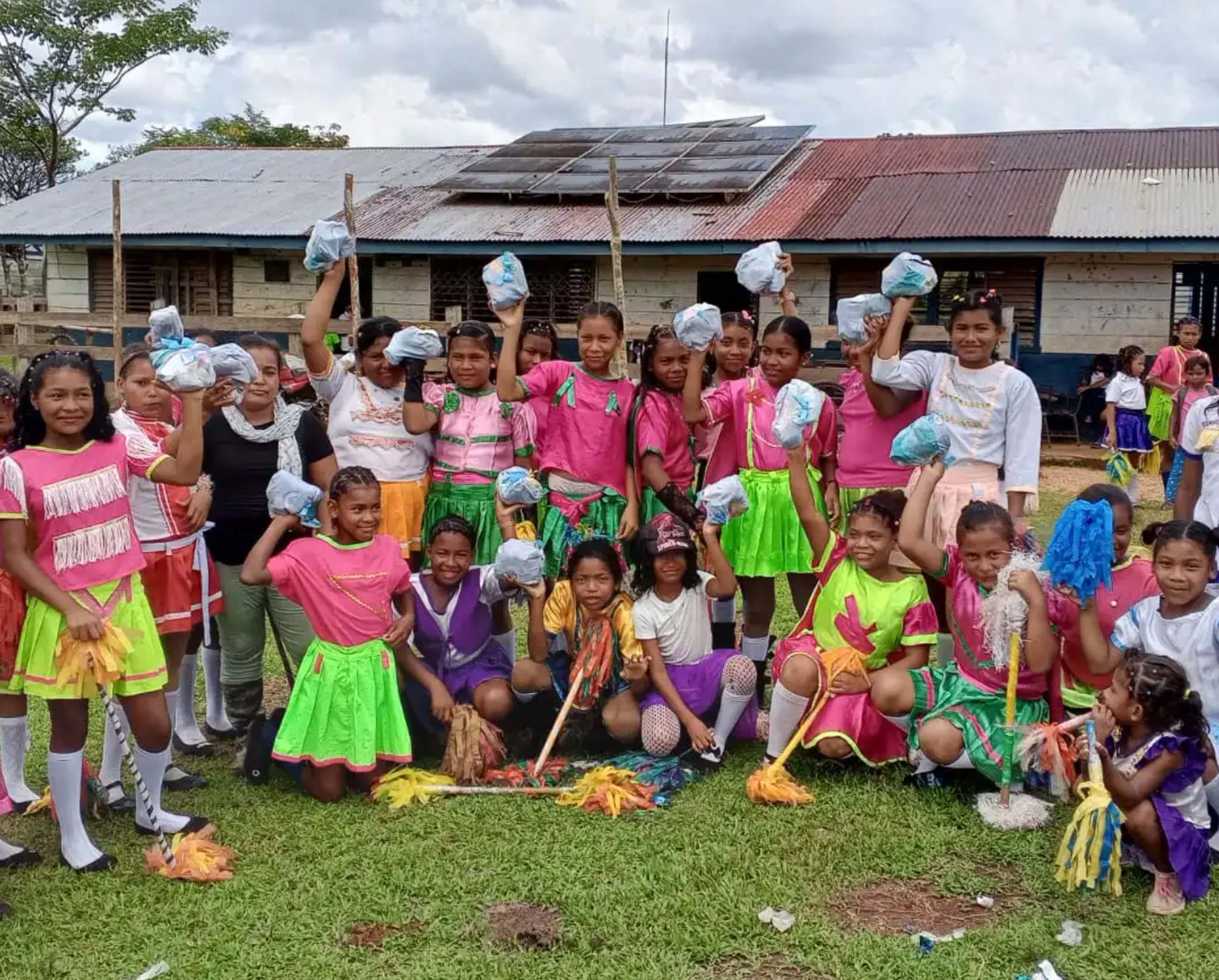
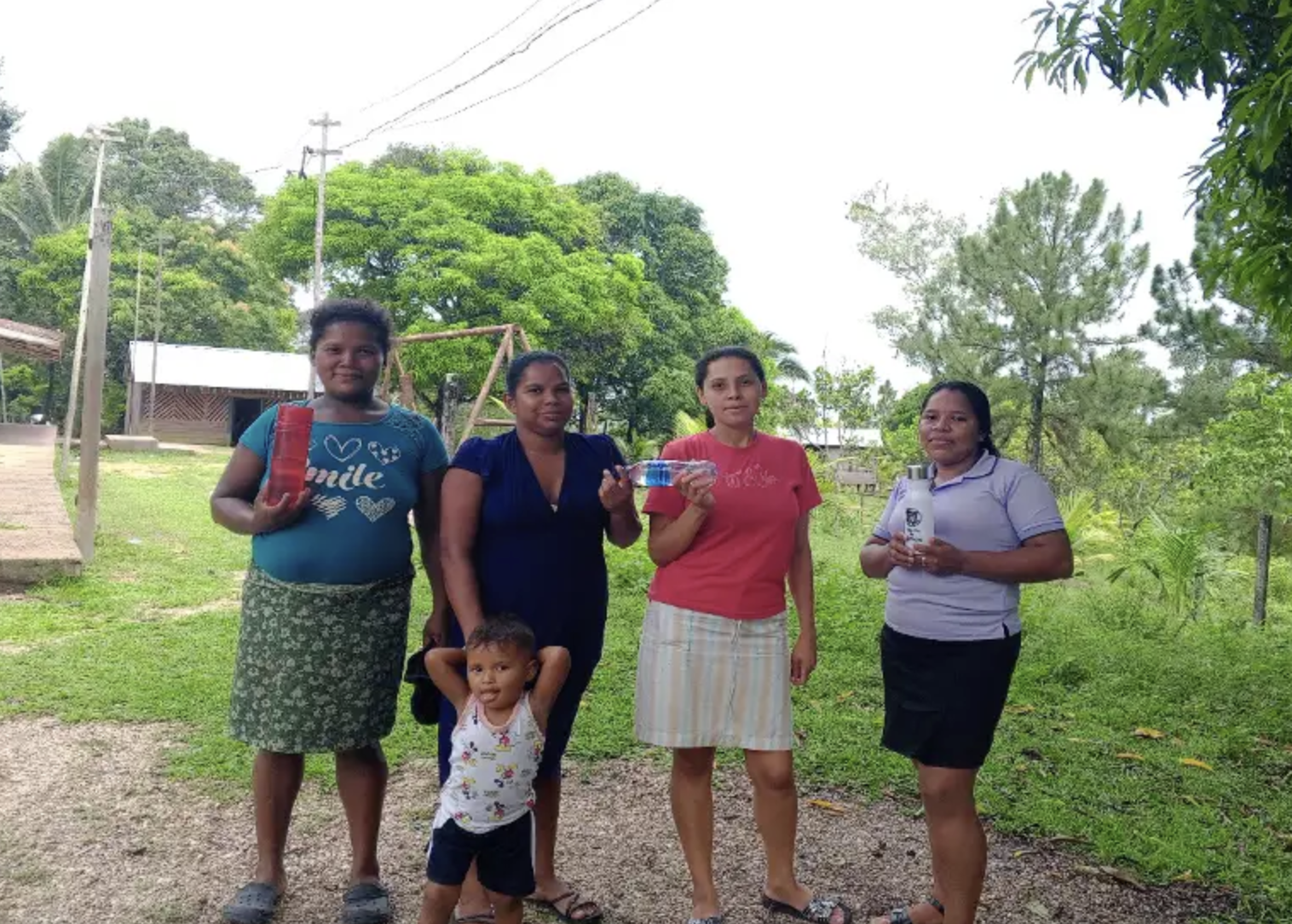
Nicaragua, the largest country in Central America, is blessed with natural beauty and a rich cultural heritage, yet it remains one of the region’s poorest nations. The Miskito region, along the Río Coco, is an isolated area, inhabited by mostly indigenous people. The total population of the municipality of Waspám is 68,277 inhabitants. Of this population, 83.5% reside in rural areas.Despite being the largest municipality in the country and having abundant natural resources, the Miskito region is one of the least developed in Nicaragua. It is characterized by a subsistence economy with high levels of poverty, poor infrastructure, and 80% of the population is in extreme poverty, 17% are poor, and 3% are not poor. Lack of education and lack of knowledge have further contributed to poverty. The people there are longing for a more abundant life!
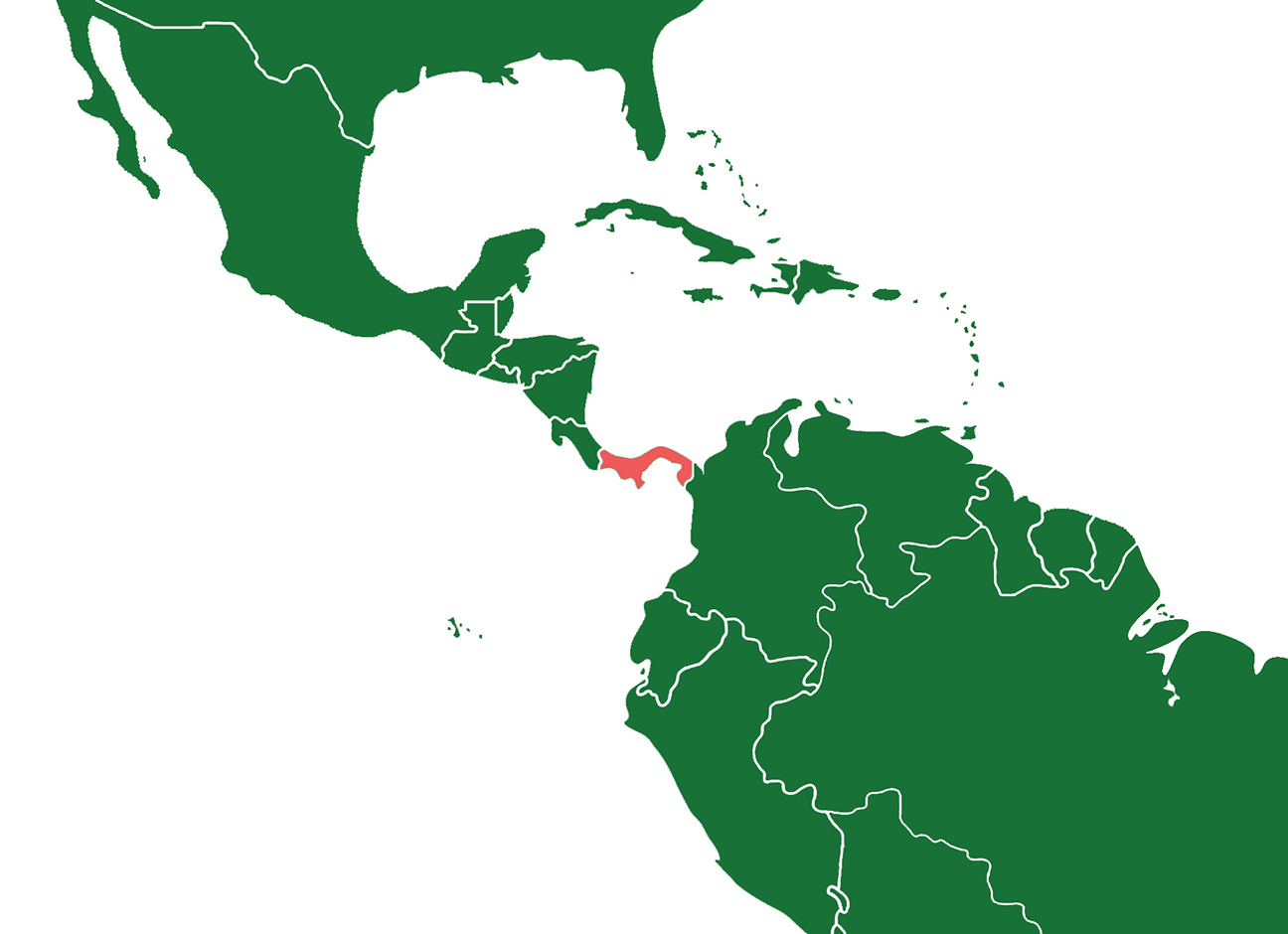
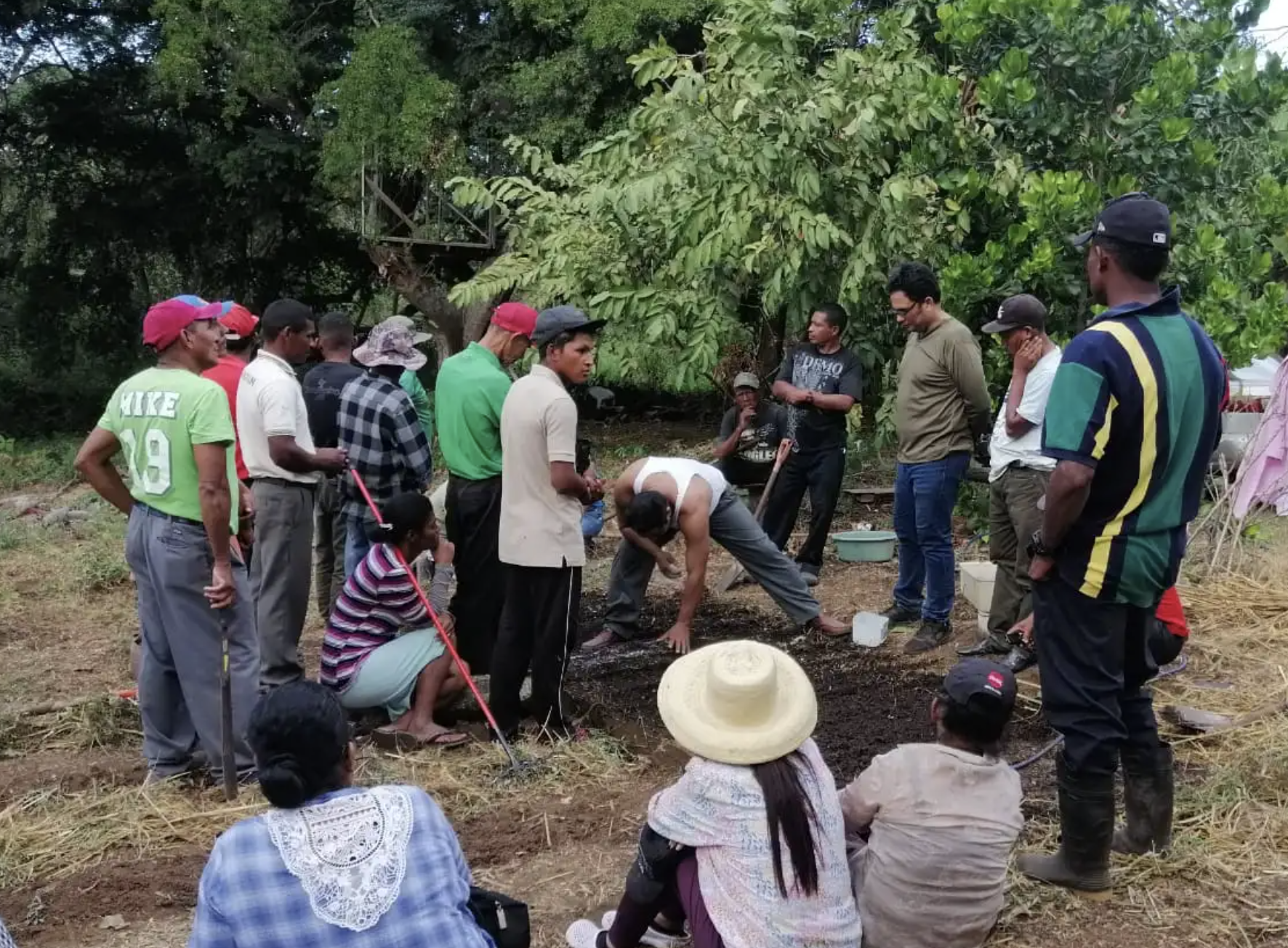
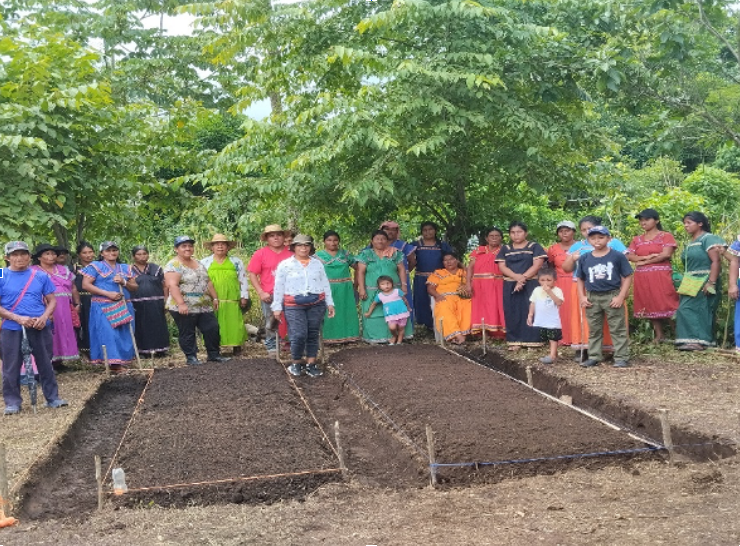
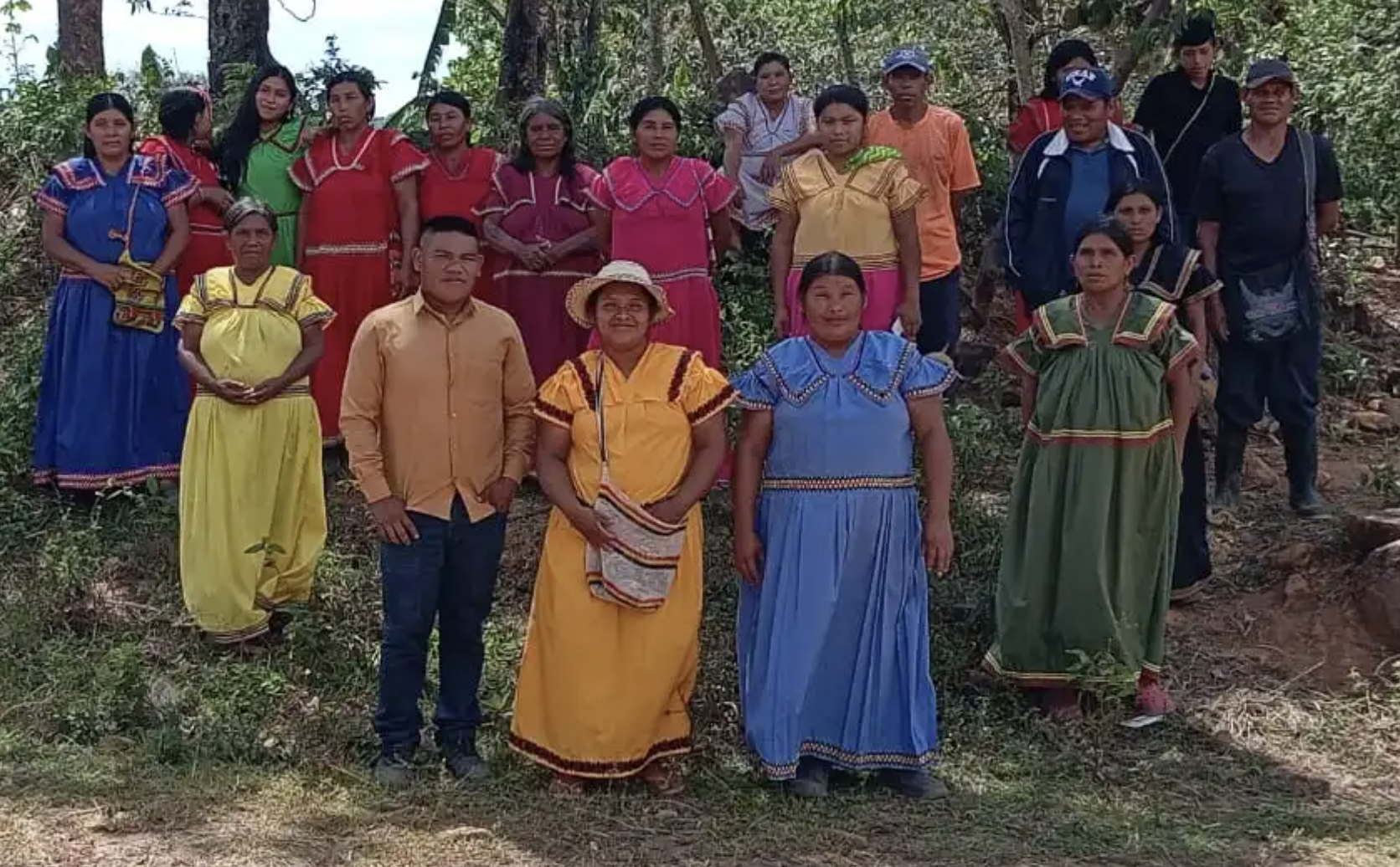
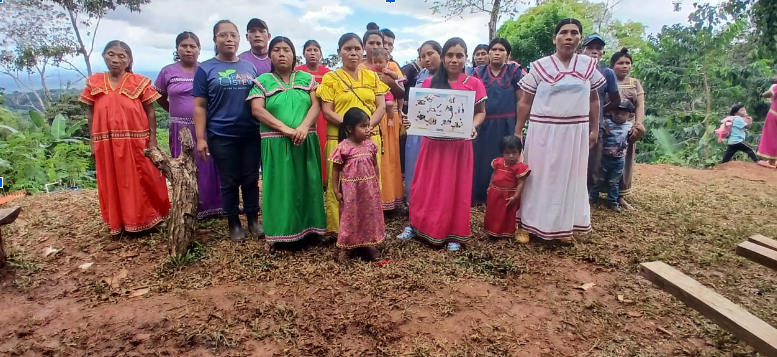
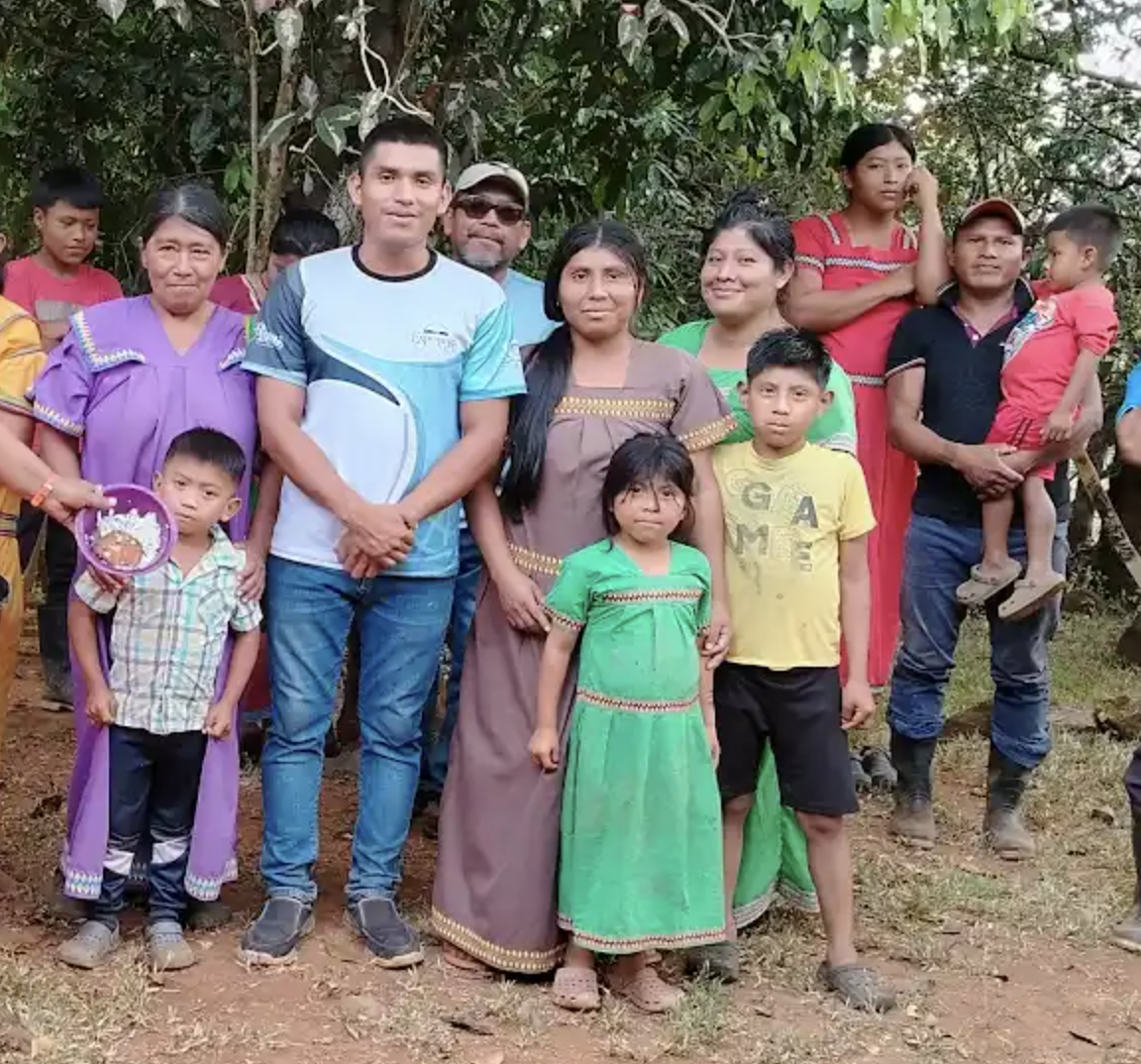
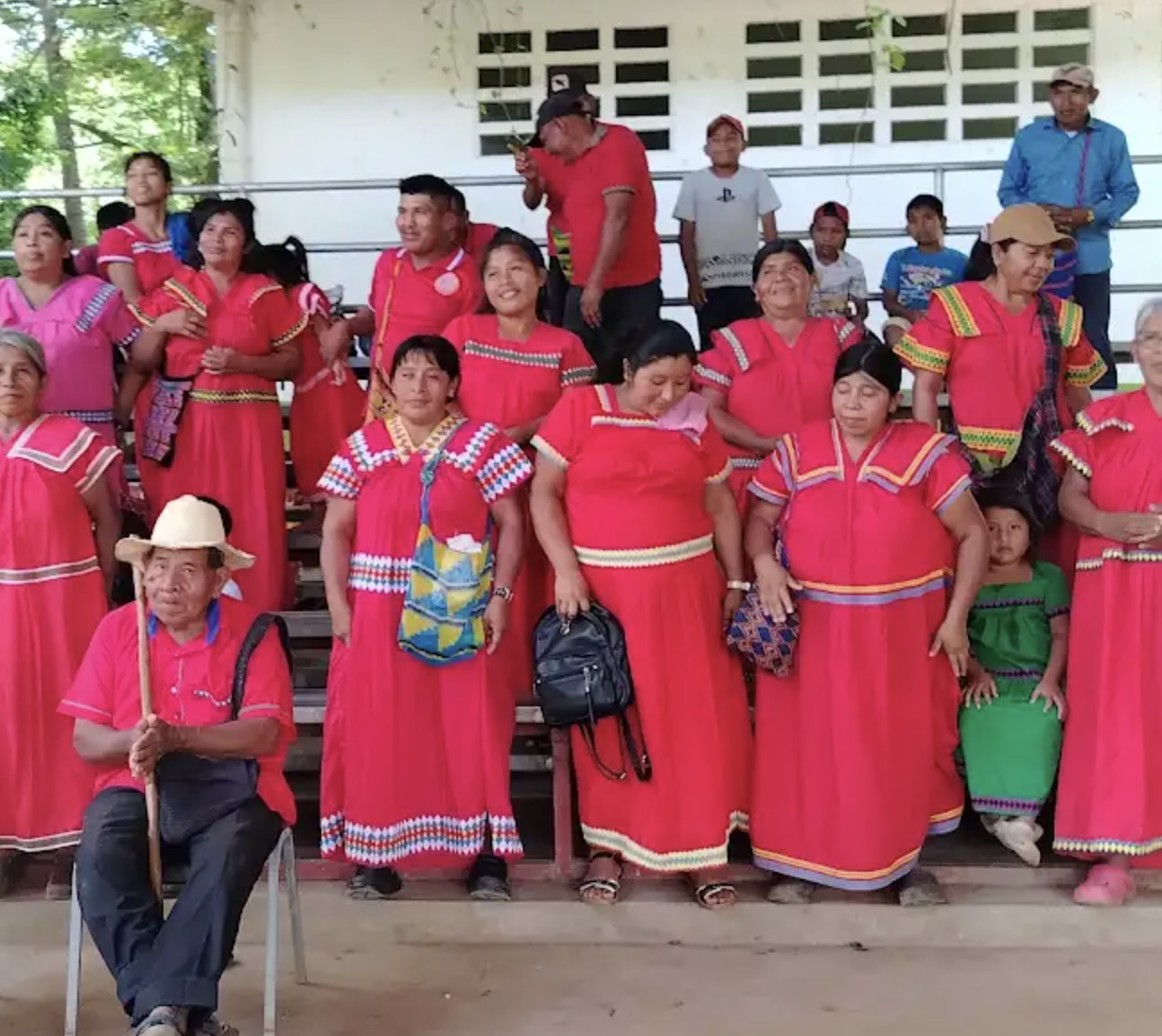
Panama, a Central American nation best known for the Panama Canal and rapid economic growth, still faces stark inequalities. Ngäbe-Buglé Region is a vast mountainous territory with an estimated at 213,860 indigenoous people. The full Bible is not yet available in their languages.The general chief of Ngäbe-Buglé represents the autonomous government. While cities in Panama benefit from development, many rural and indigenous communities live in poverty, lacking reliable access to healthcare, education, clean water, and even roads. The roads are currently under construction, literally paving the way for FARM STEW to enter the lives of these precious people.
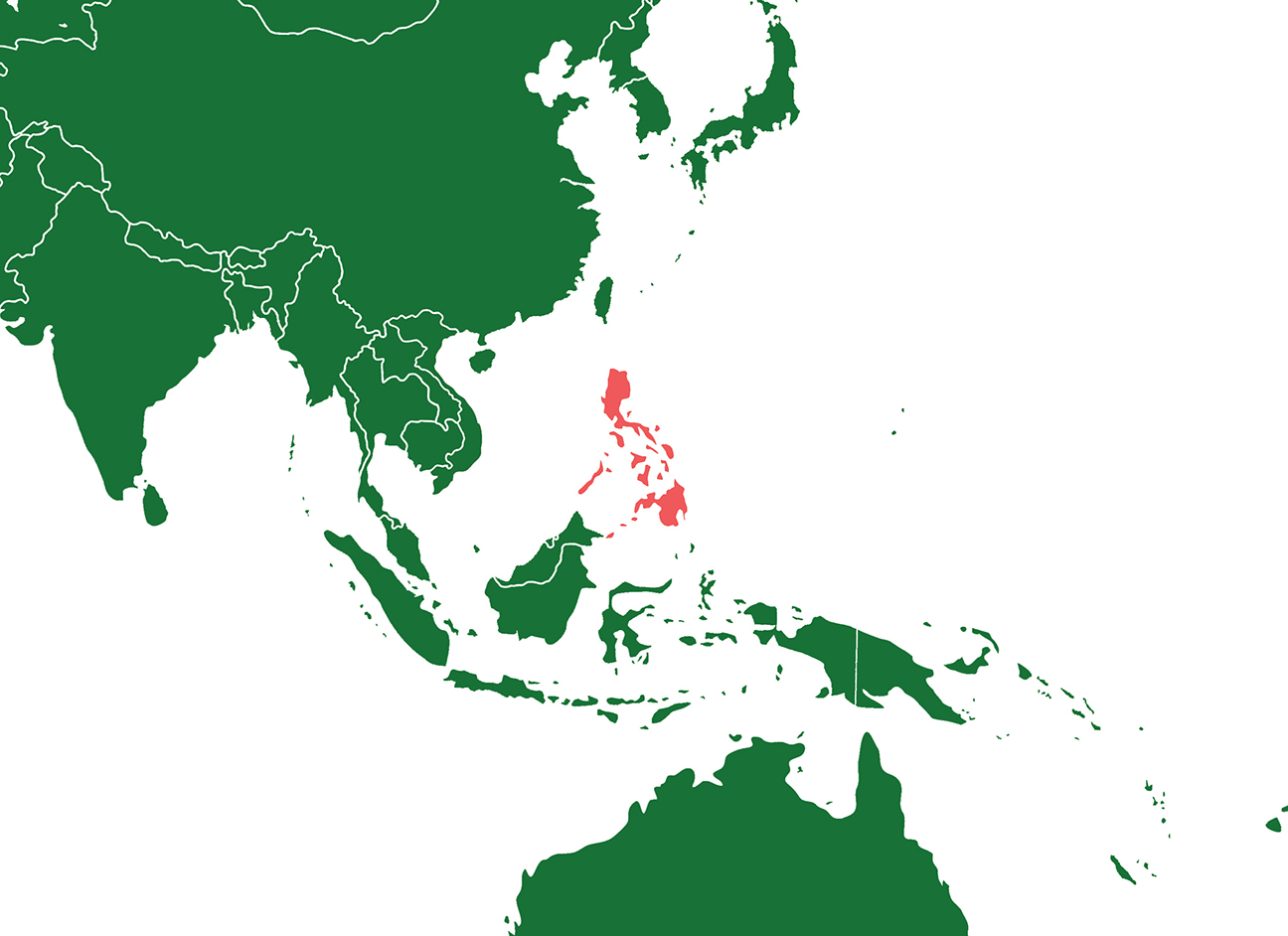
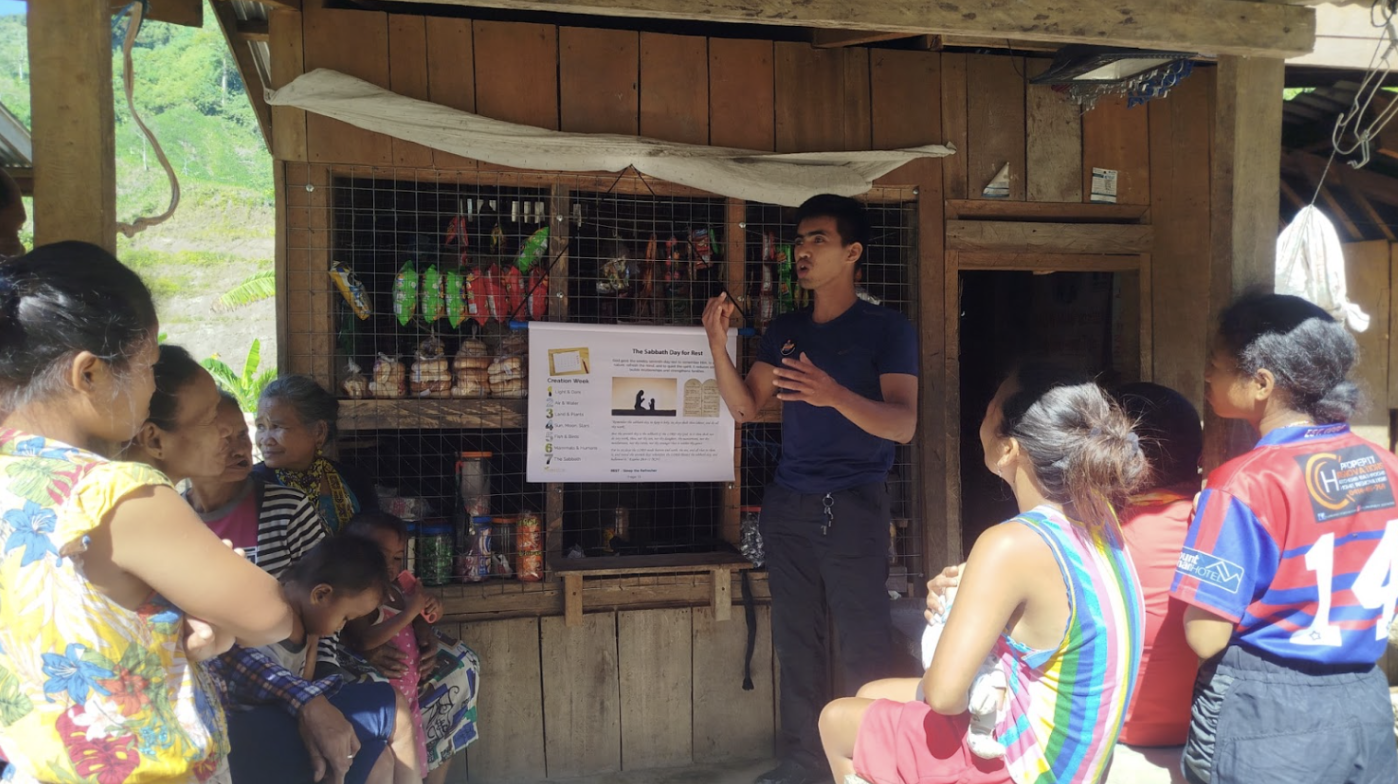
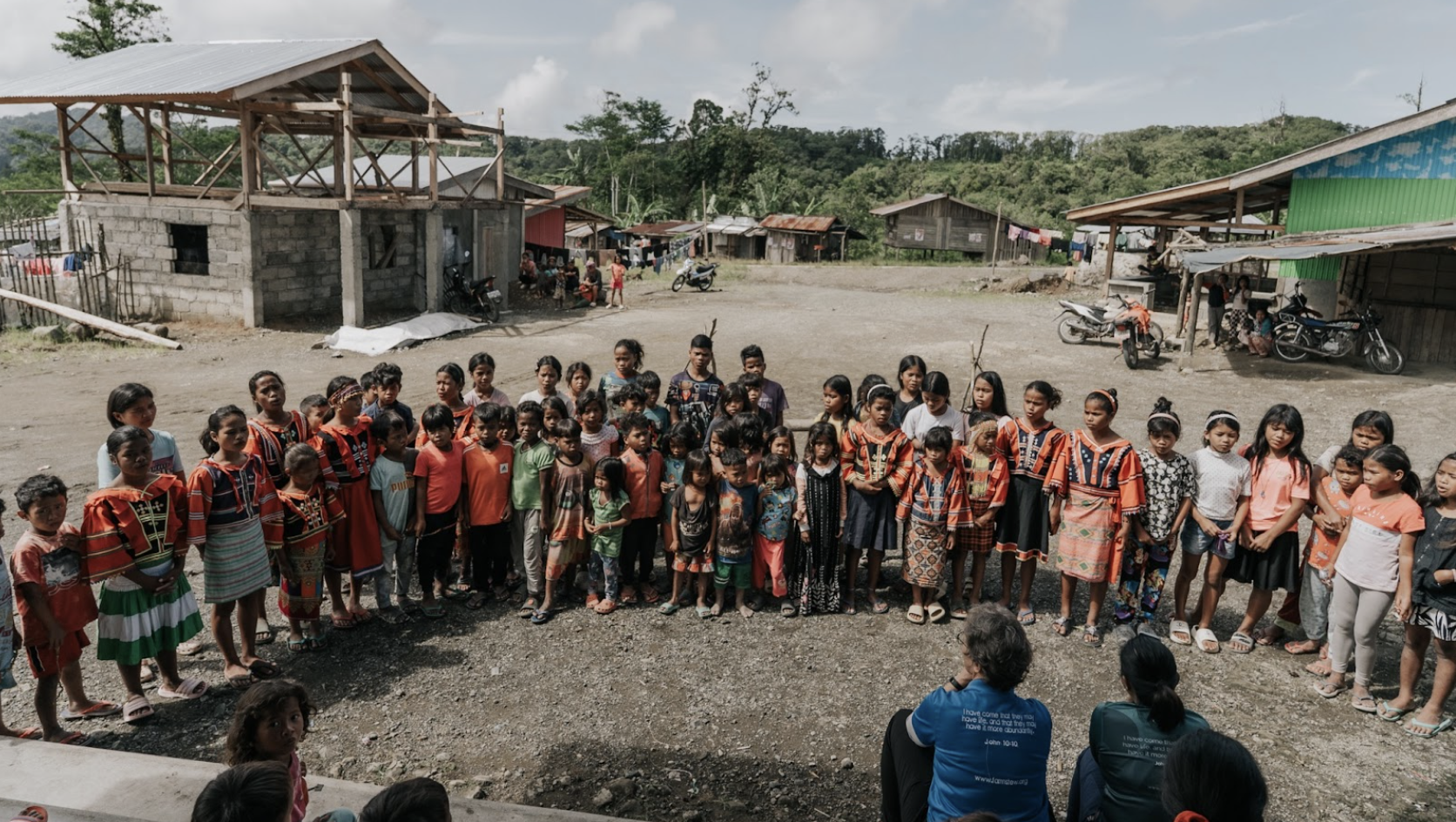
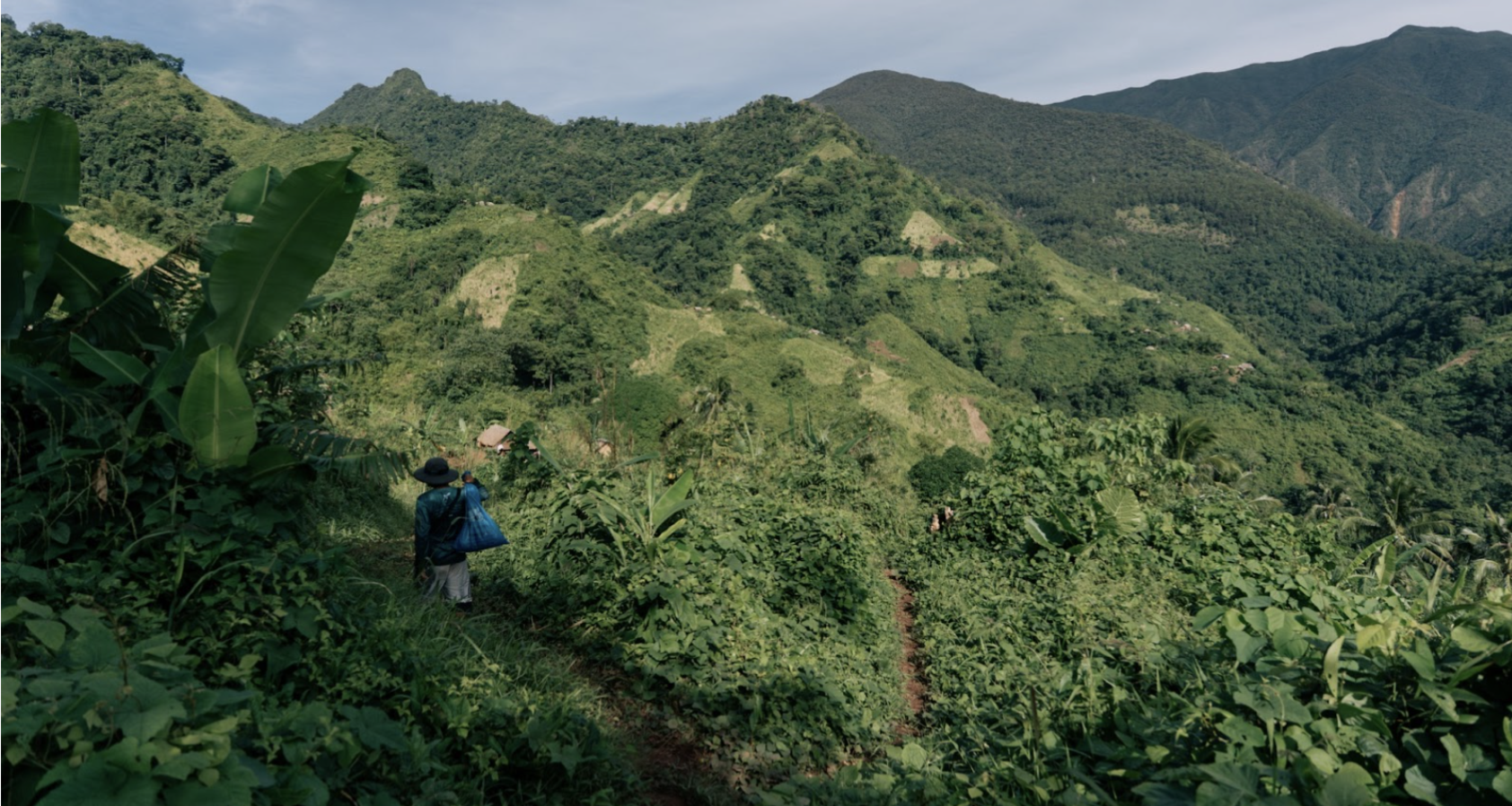
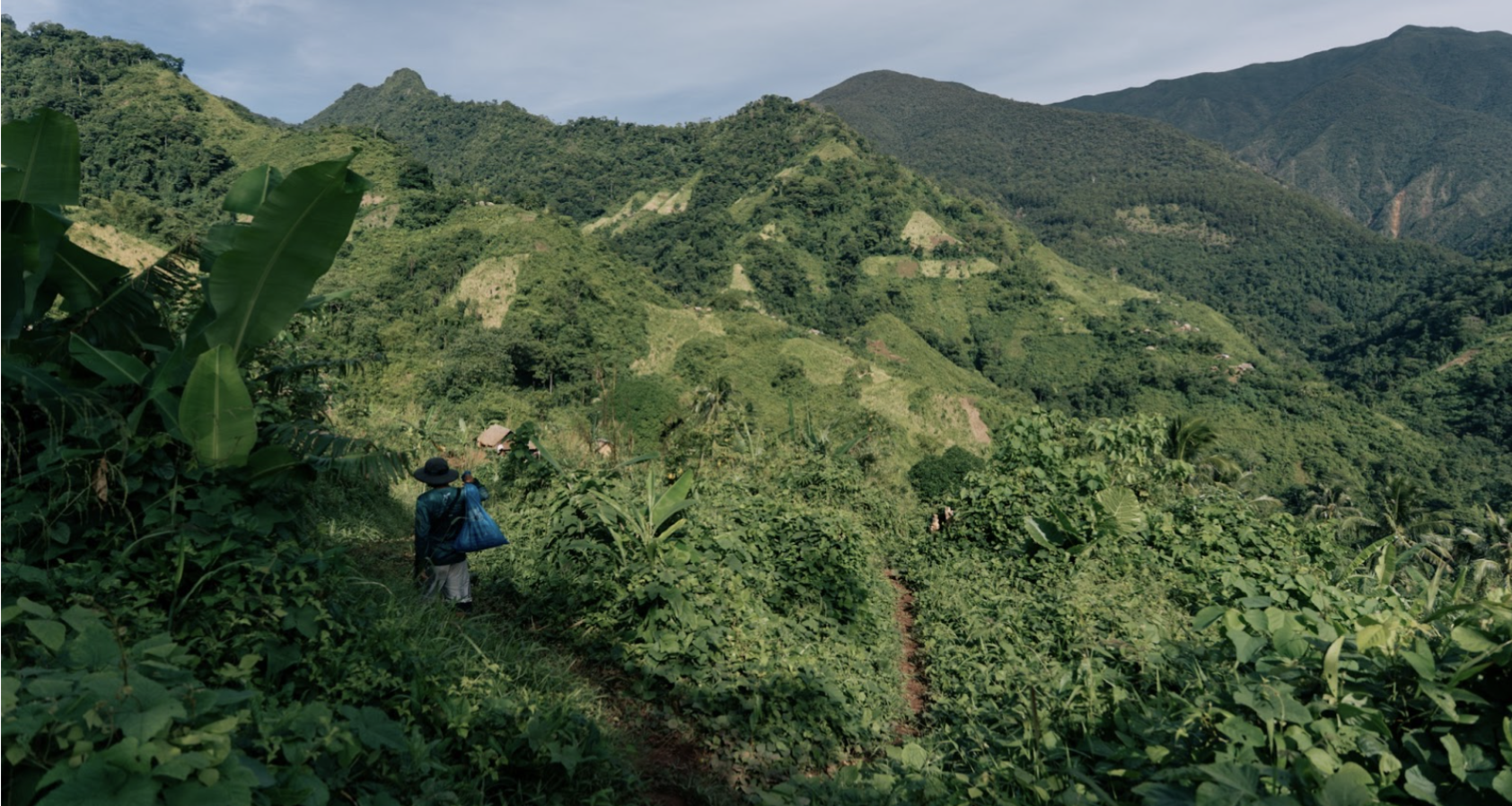
The Philippines, comprising more than 7,000 islands in Southeast Asia, is rich in natural resources and cultural diversity. However, poverty remains a serious challenge, particularly in rural, mountain, and coastal communities where families struggle with limited access to education, healthcare, and livelihood opportunities. Natural disasters often worsen living conditions, leaving vulnerable communities facing food insecurity and economic hardship despite the country’s growing economy.FARM STEW is reaching these indigenous mountain communities and sharing the transforming recipe of abundant life in powerful ways.
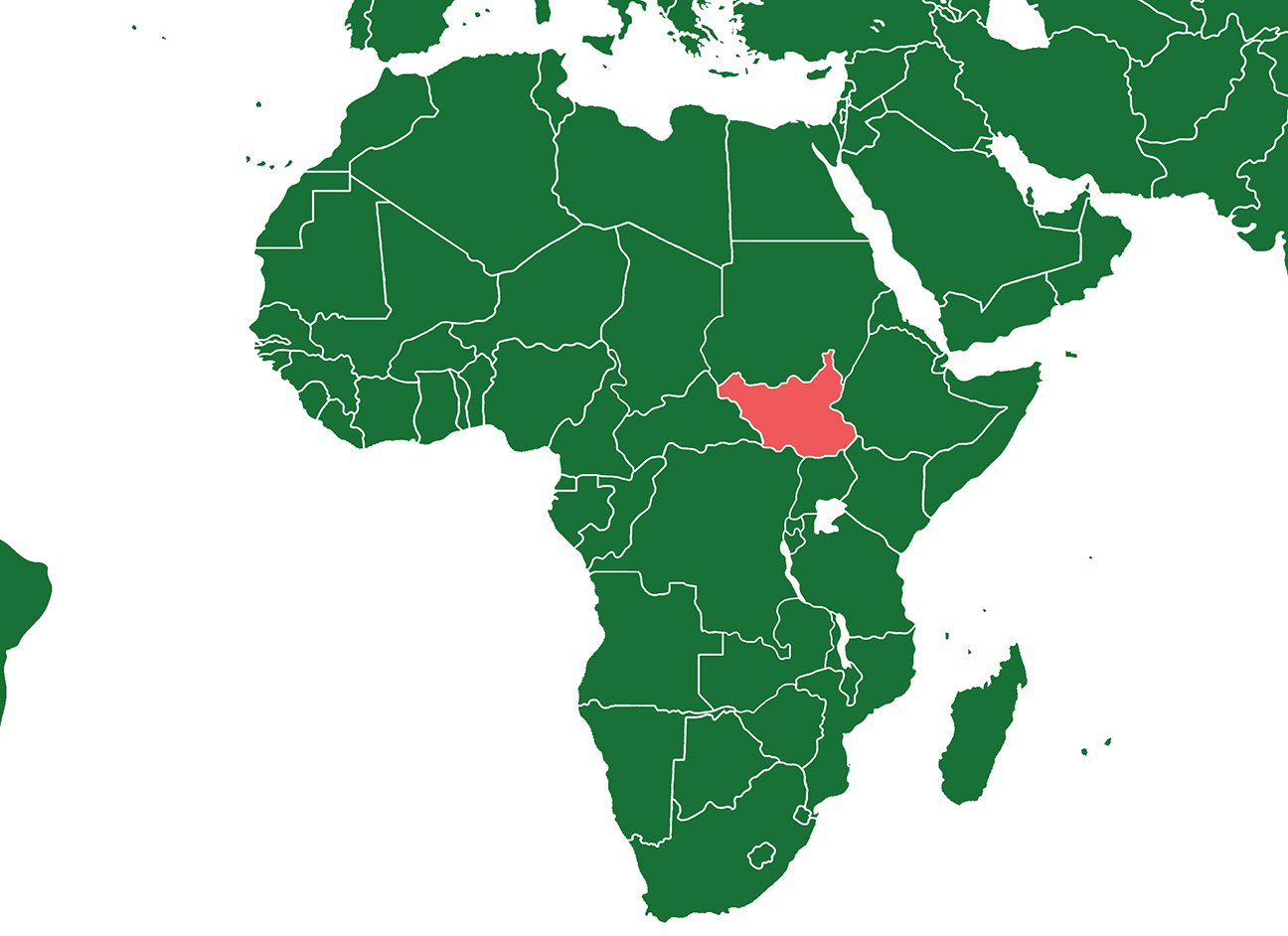
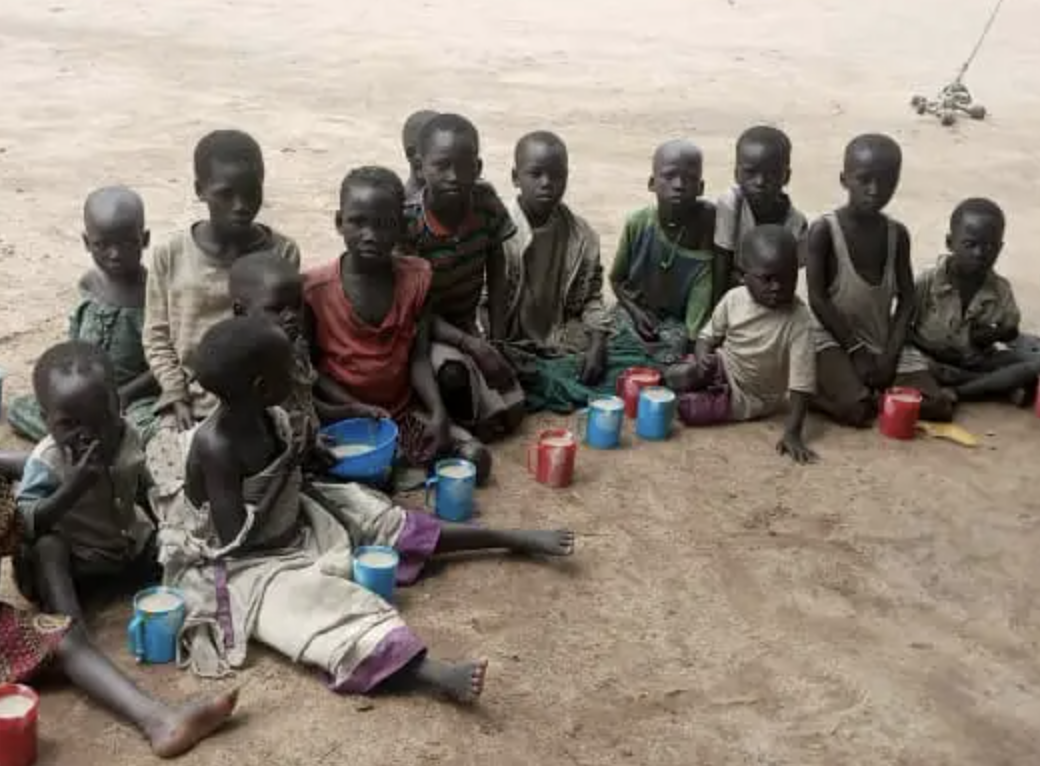
South Sudan, the world’s youngest nation, is rich in natural resources and cultural diversity but continues to face severe poverty due to years of conflict, displacement, and instability. Many communities lack access to basic services, including clean water, healthcare, and education, while food insecurity remains widespread. Rural families, especially women and children, bear the greatest burden, yet they continue to show remarkable resilience and hope for peace and stability.FARM STEW has been in South Sudan since 2018, and the impact has caused church leaders to proclaim, "Where FARM STEW goes, the church grows!" Each year, new communities are entered by FARM STEW trainers who have built a reputation for transforming lives!
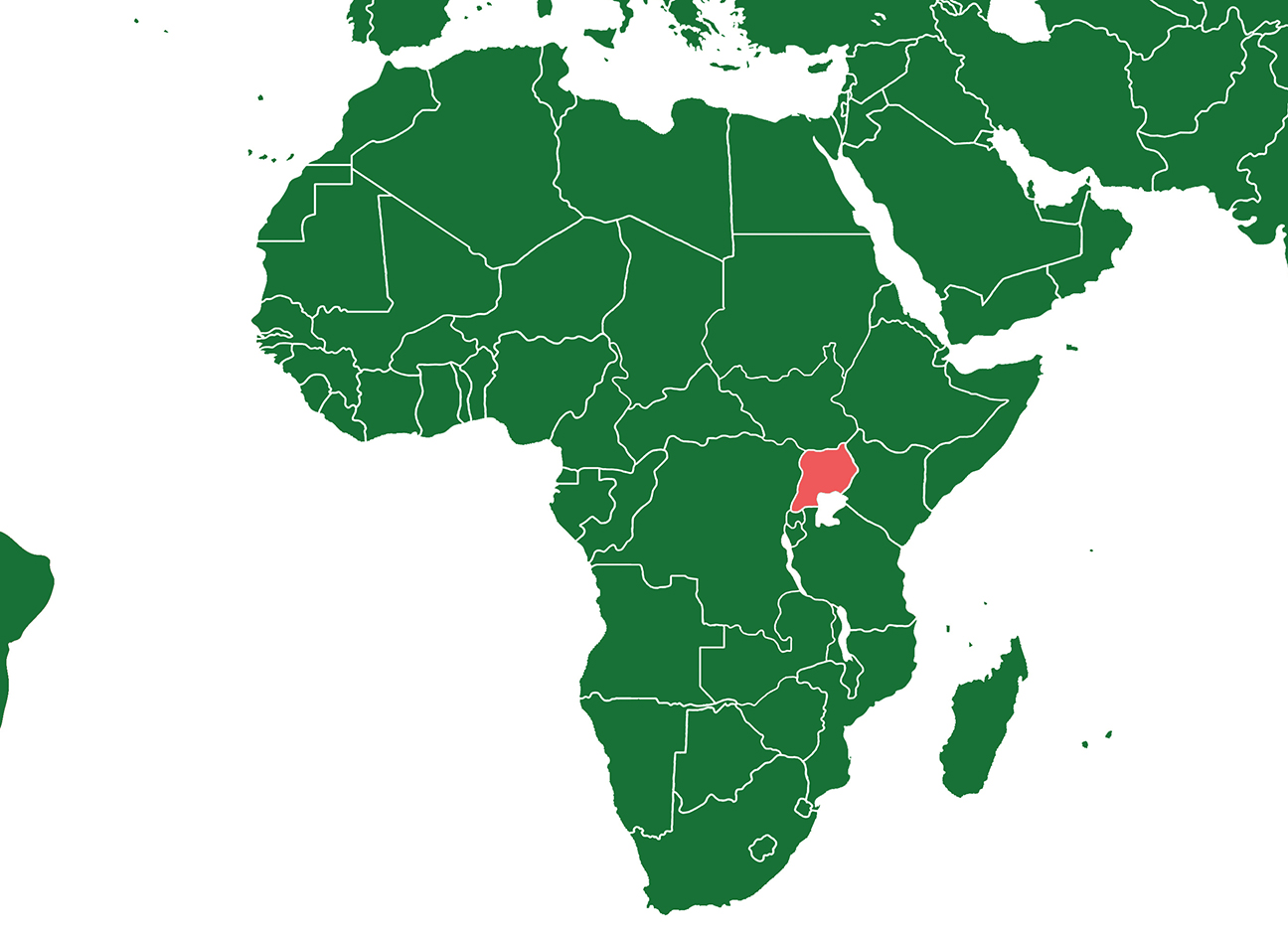
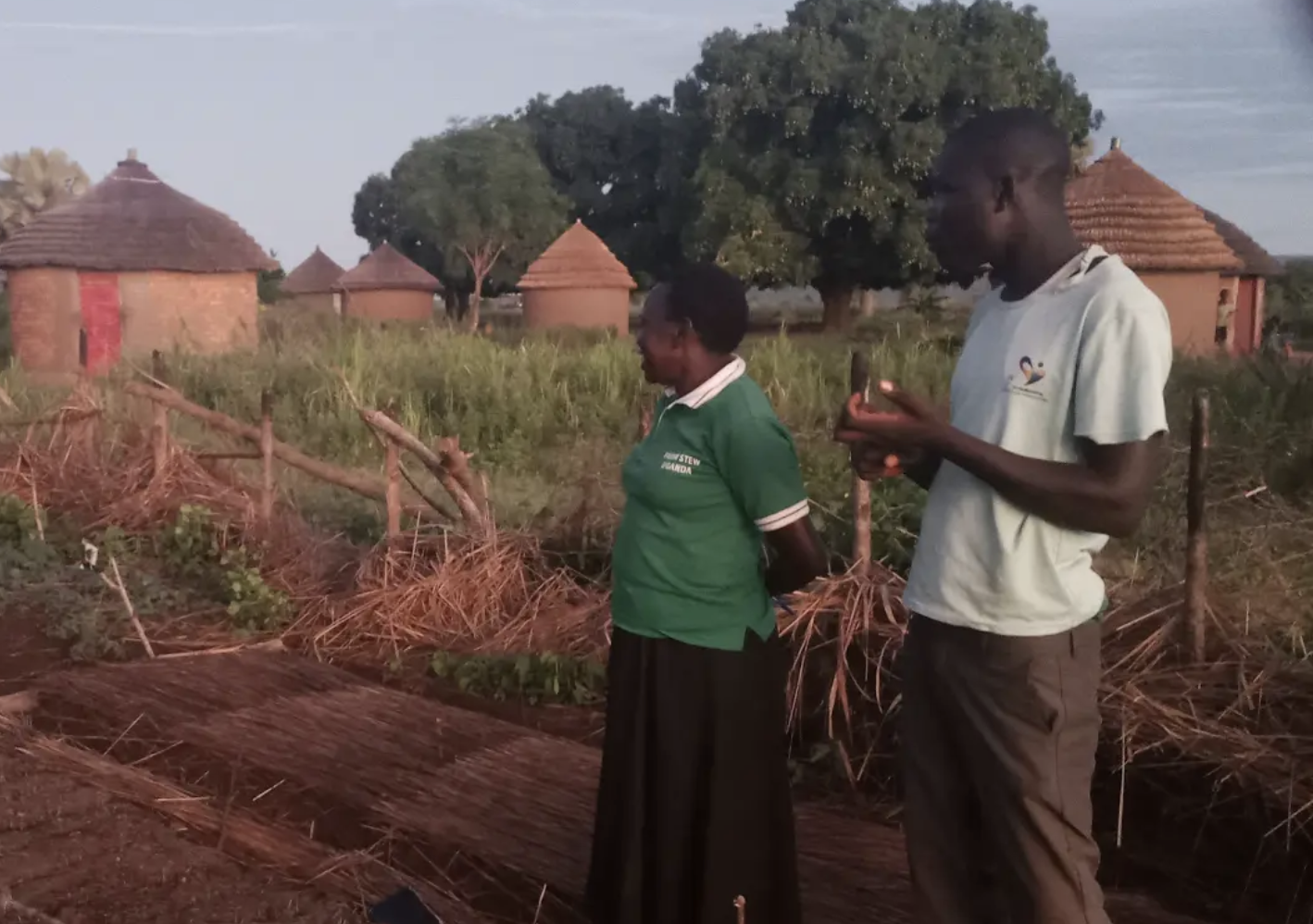
Uganda, a landlocked country in East Africa, is known for its youthful population, fertile land, and cultural diversity. Despite steady economic growth, poverty remains widespread, especially in rural communities where most people depend on subsistence farming. Families often struggle with food insecurity, limited access to quality healthcare and education, and the effects of climate change.FARM STEW was born in Uganda in late 2015, and our teams of trainers have been reaching vulnerable rural villagers ever since. They have helped develop the recipe for an abundant life, serving as the test model for all their efforts. New villages are entered each year!
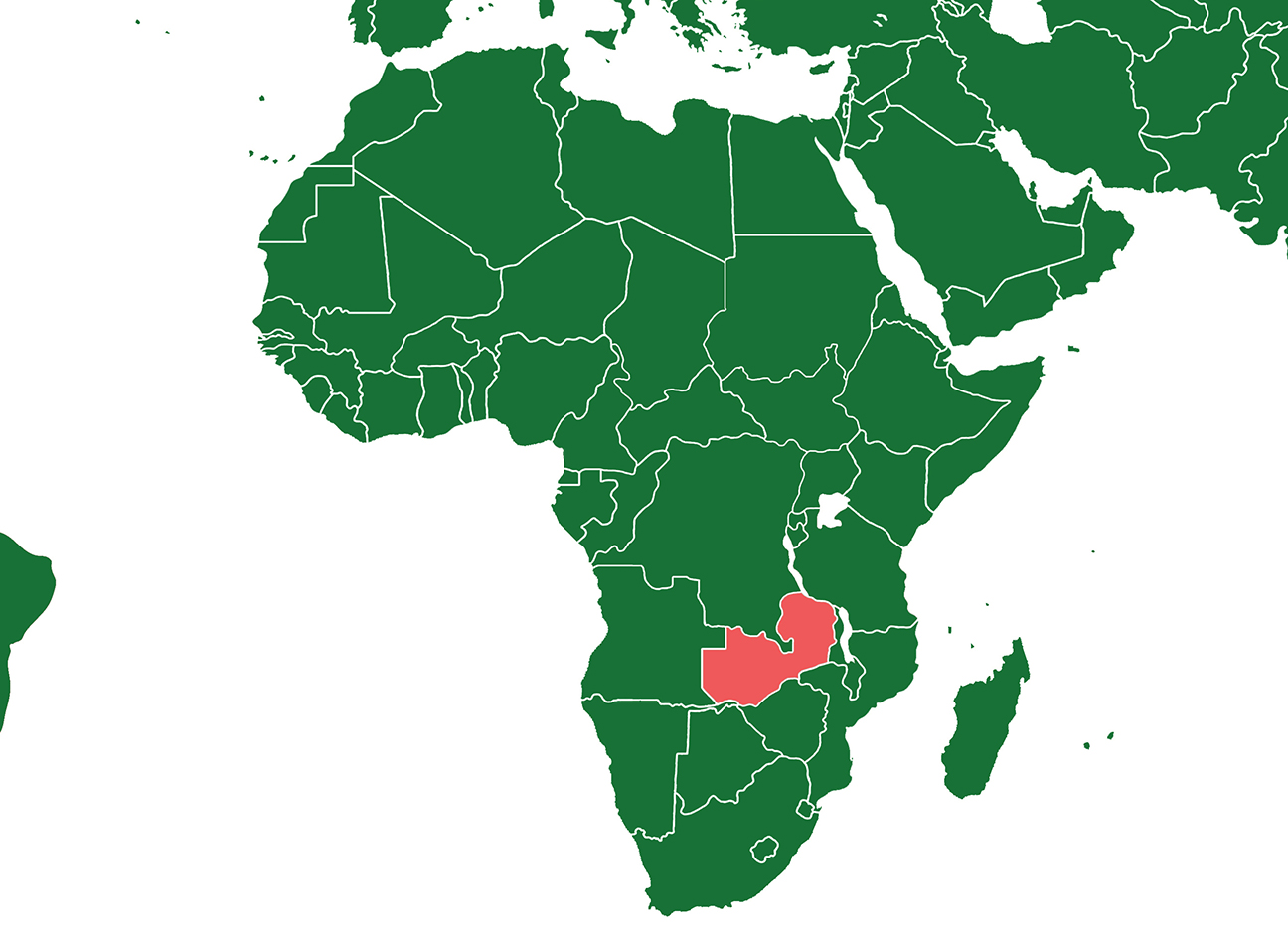
Zambia, a landlocked country in southern Africa, is blessed with natural resources and a young, growing population. Yet poverty remains widespread, particularly in rural areas where most families depend on subsistence farming. Many communities face food insecurity, limited access to healthcare, and poor educational opportunities. Vulnerable groups, especially women and children, are the most affected, though communities continue to persevere with resilience.FARM STEW works here through Wilderness Gate. They are committed it bringing the practical gospel to the people who need it most.
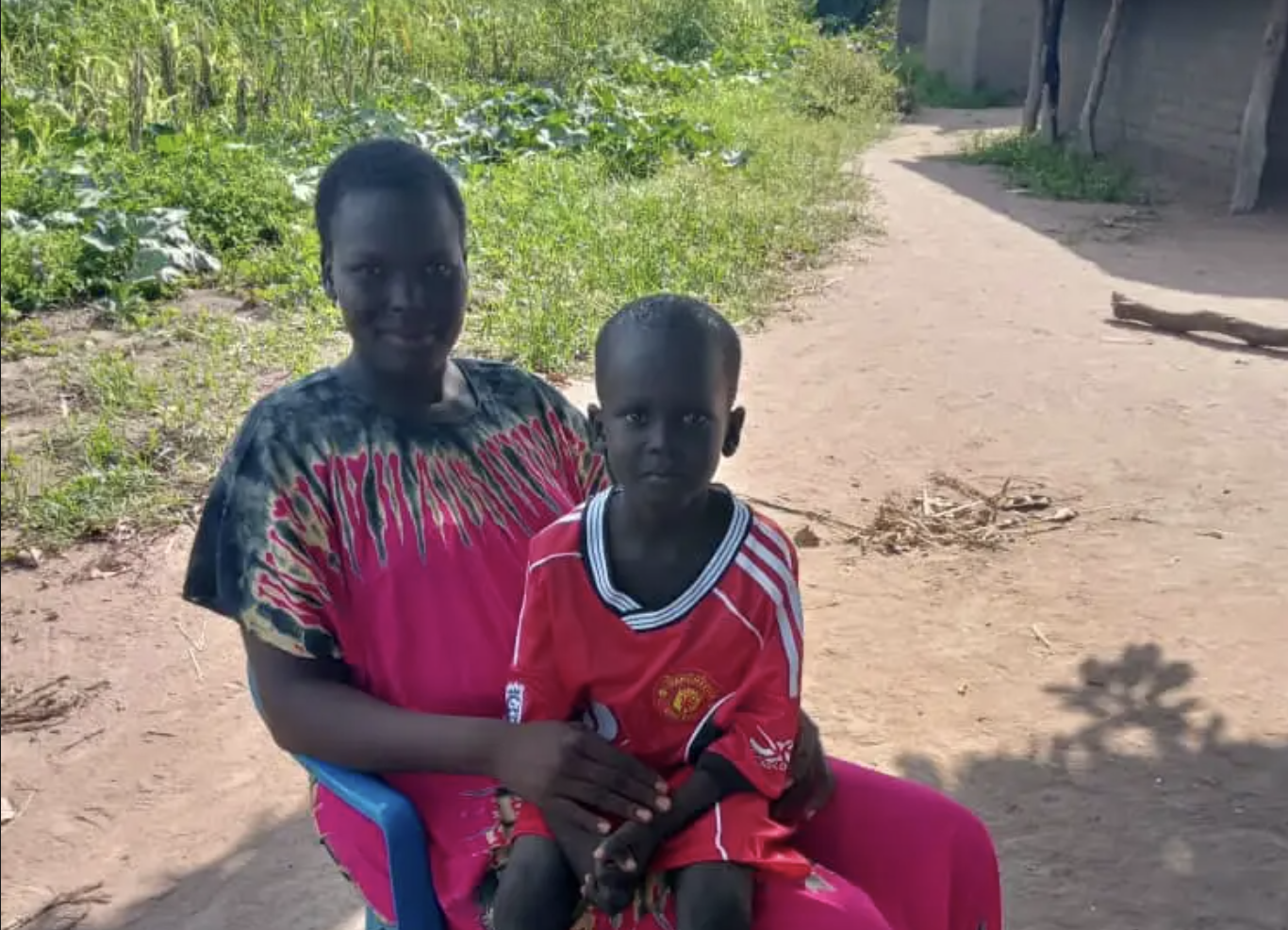
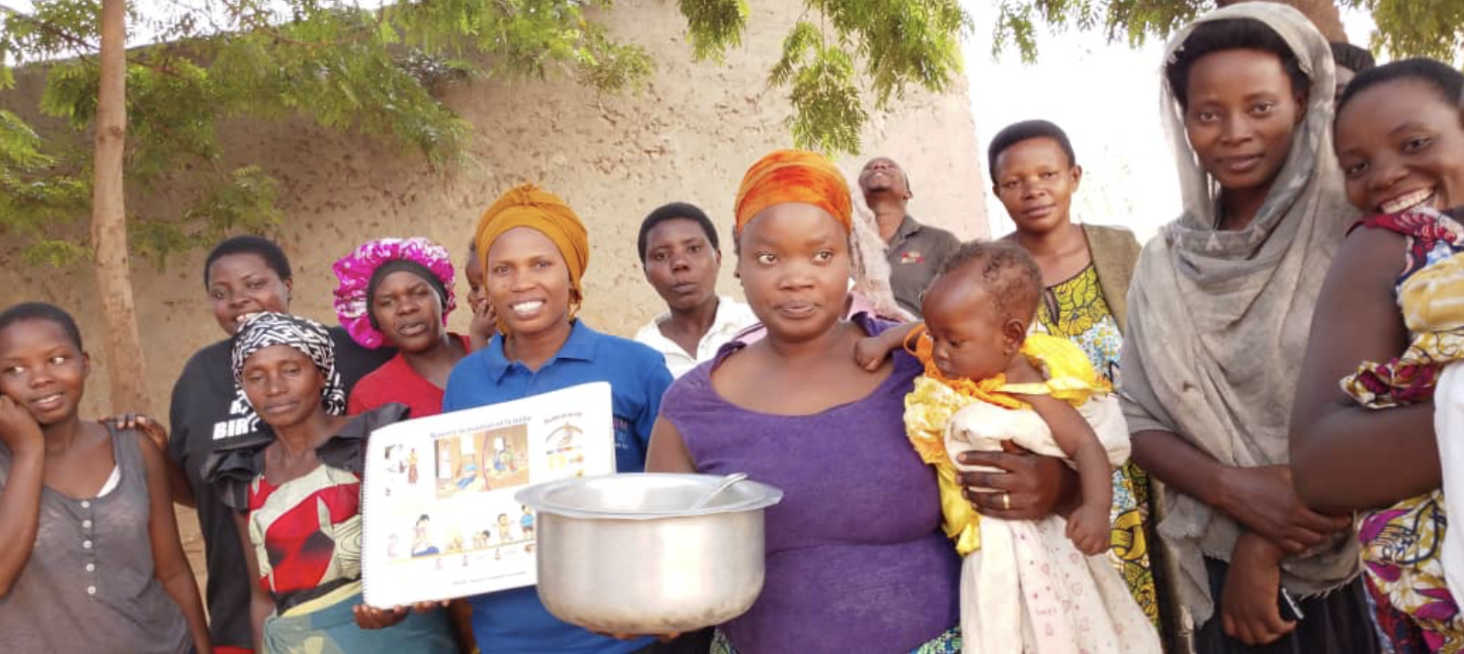

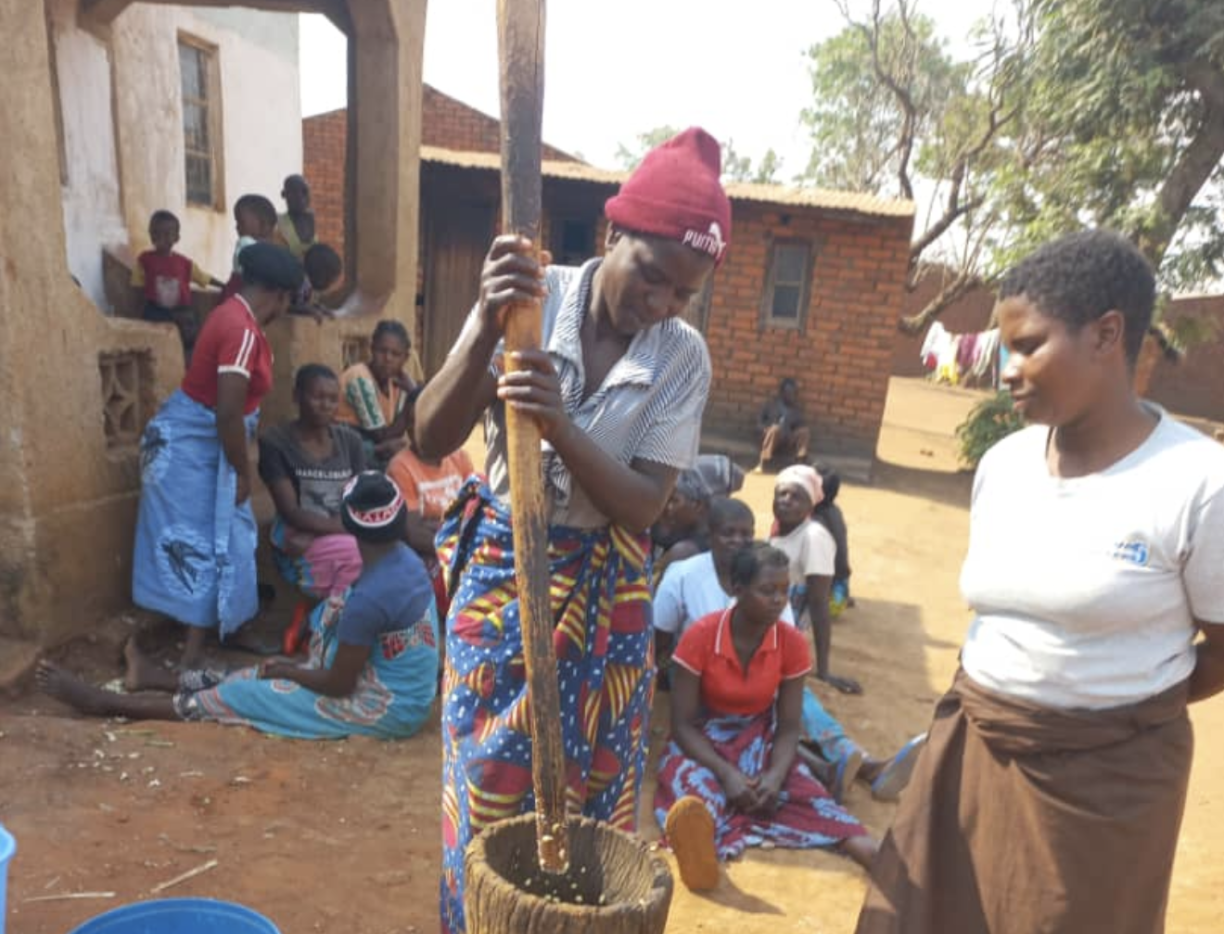

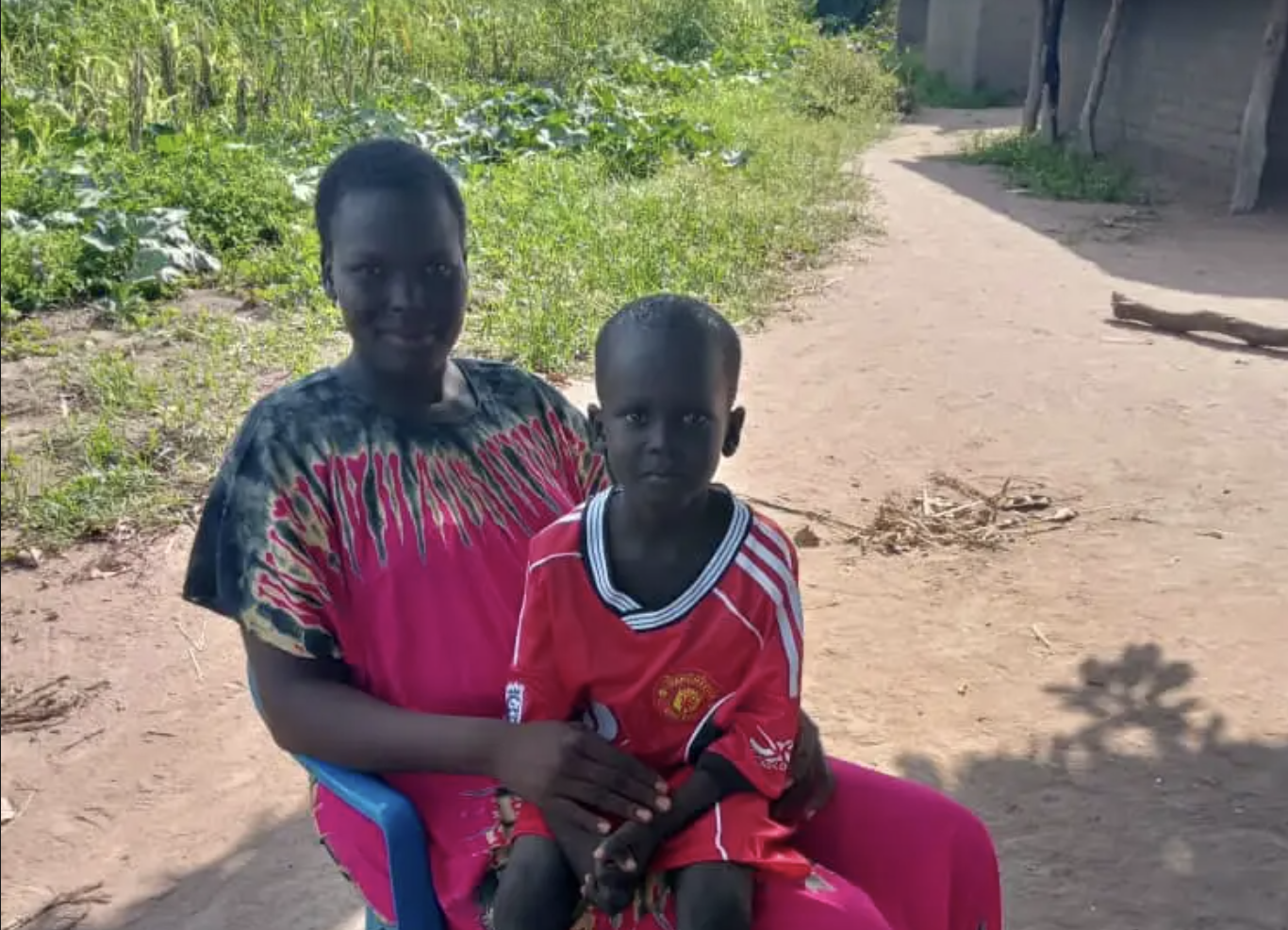
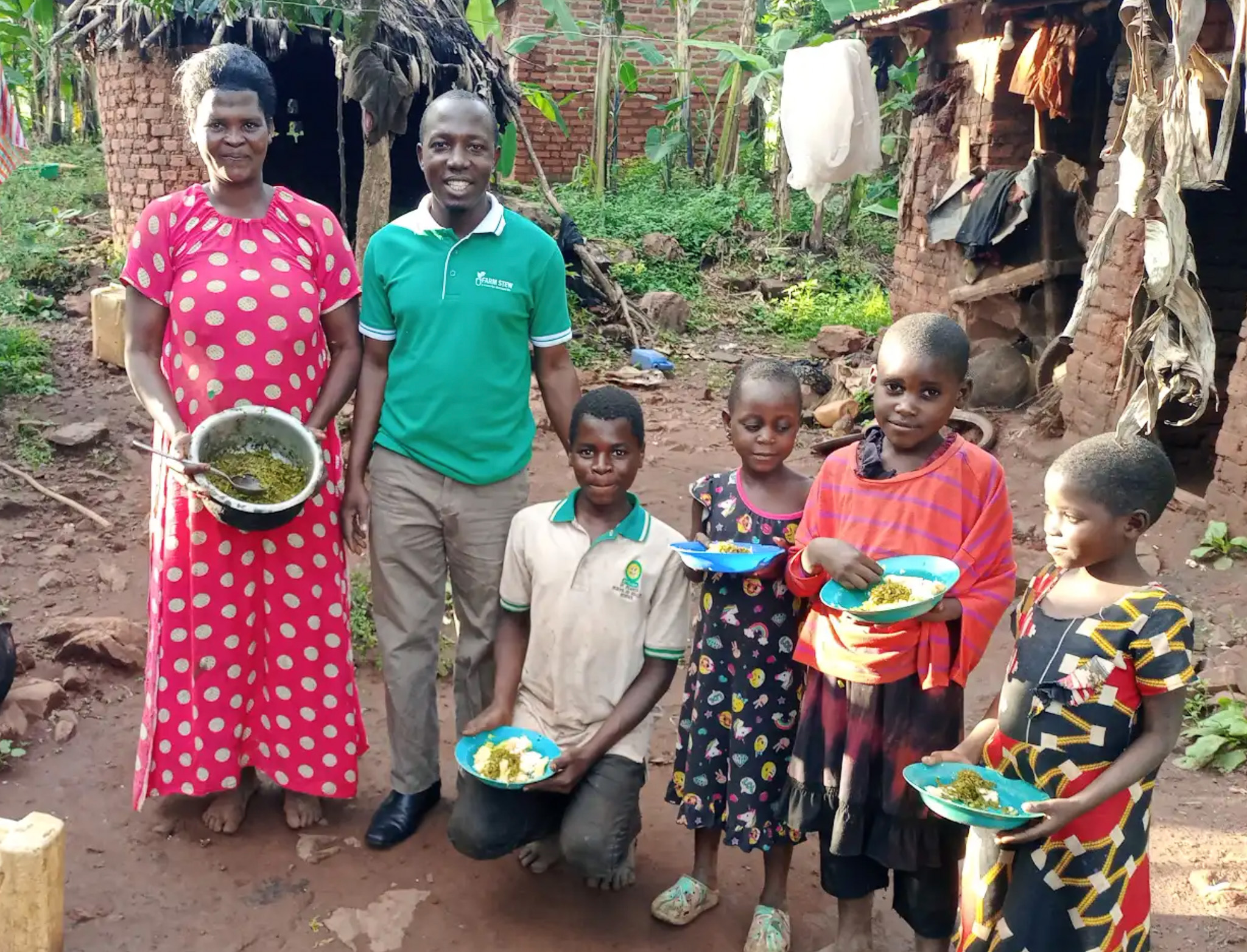
Children once struggling with malnutrition grow into bright-eyed, playful, bundles of joy.
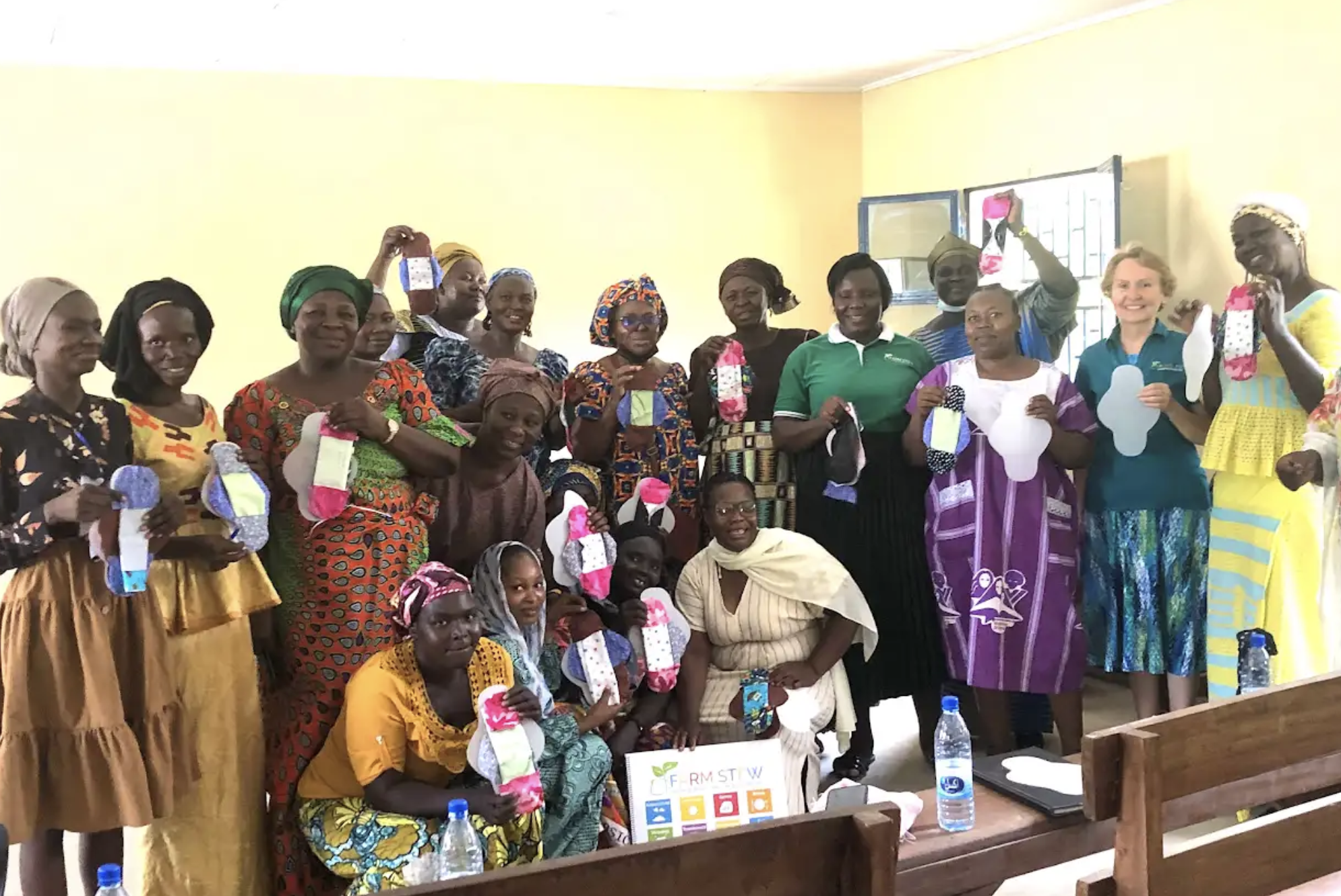
Girls stay in school with dignity, while mothers no longer face the agony of choosing which child eats.
Families gather in worship, this time with hope and united purpose, working toward an abundant life.
All of it happens through your support of FARM STEW. Our local Christian trainers carry the hands-on, practical gospel to the poorest villages in the world.
With low overhead, high leverage, and skills that outlast handouts, you can help a whole village help themselves.
And for the first time, now you get to choose the village, follow its transformation through direct updates, and trust in a ministry with squeeky clean independent audits and top charity ratings.